





Why Your Botox Isn’t Lasting—And What We Can Do About It
One of the most common questions I hear from patients is, "Why isn't my Botox lasting as long as it used to?" If you've noticed your results fading sooner than expected, you're not alone—and it doesn't necessarily mean Botox has stopped working.
The good news is that there are several reasons your results may not be lasting as long, and in many cases, we can make adjustments to help you get the most from your treatments.
How Long Should Botox Last?
For most patients, Botox results typically last three to four months. You'll usually begin noticing improvement within 3-7 days after treatment, with full results appearing around two weeks.
However, everyone's body responds differently. Some patients naturally metabolize Botox faster, while others may enjoy results that last closer to five months.
5 Reasons Your Botox May Be Wearing Off Faster
1. Your Body Metabolizes It Quickly
Just like medications, Botox is processed differently by every individual. If you have a fast metabolism or live a very active lifestyle, your body may simply break down the product more quickly.
Athletes and individuals who exercise intensely several days a week sometimes notice shorter-lasting results.
2. You're Waiting Too Long Between Treatments
Many patients wait until all movement has returned before scheduling their next appointment.
The problem? Once the muscles regain full strength, they often require more effort to relax again. Staying on a consistent treatment schedule can help "train" those muscles over time, allowing results to become more predictable and, in some cases, appear to last longer.
3. You May Need a Different Dose
Botox isn't one-size-fits-all.
Factors like muscle strength, facial anatomy, age, and your cosmetic goals all influence how many units are appropriate. If your muscles are particularly strong, you may simply need a slight adjustment in dosage to achieve longer-lasting results.
At
Williamson Cosmetic Center, every treatment is customized—not based on averages, but on your unique facial anatomy.
4. Your Facial Muscles Have Changed
Over time, facial muscles naturally change due to aging, weight fluctuations, stress, and repeated facial expressions.
If it's been a while since your treatment plan was evaluated, it may be time to reassess which areas are being treated and whether additional areas should be addressed for more balanced, longer-lasting results.
5. Your Expectations Have Changed
Many patients become accustomed to the smooth, refreshed appearance Botox provides.
As the product gradually wears off, even small amounts of returning movement can seem much more noticeable than they actually are. Sometimes your Botox is still working—you've simply grown accustomed to the results.
Can Botox Stop Working?
True resistance to Botox is actually very uncommon.
While it's possible for a small number of patients to develop antibodies that reduce effectiveness, most cases of "Botox not working" are actually related to treatment timing, dosing, muscle strength, or natural metabolism—not resistance.
If we suspect you're not getting the expected response, we can discuss alternative neuromodulators that may be a better fit for you.
How We Help Botox Last Longer
At Williamson Cosmetic Center, we don't believe in cookie-cutter treatment plans.
Instead, we evaluate:
- Your facial anatomy
- Muscle strength
- Previous treatment history
- Your aesthetic goals
- How long your results typically last
From there, we can adjust your treatment plan to maximize your results.
Depending on your needs, we may recommend:
- Adjusting the number of units
- Scheduling treatments a little sooner
- Treating additional muscles for better balance
- Exploring another FDA-approved neuromodulator if appropriate
Small Habits That Can Help Preserve Your Results
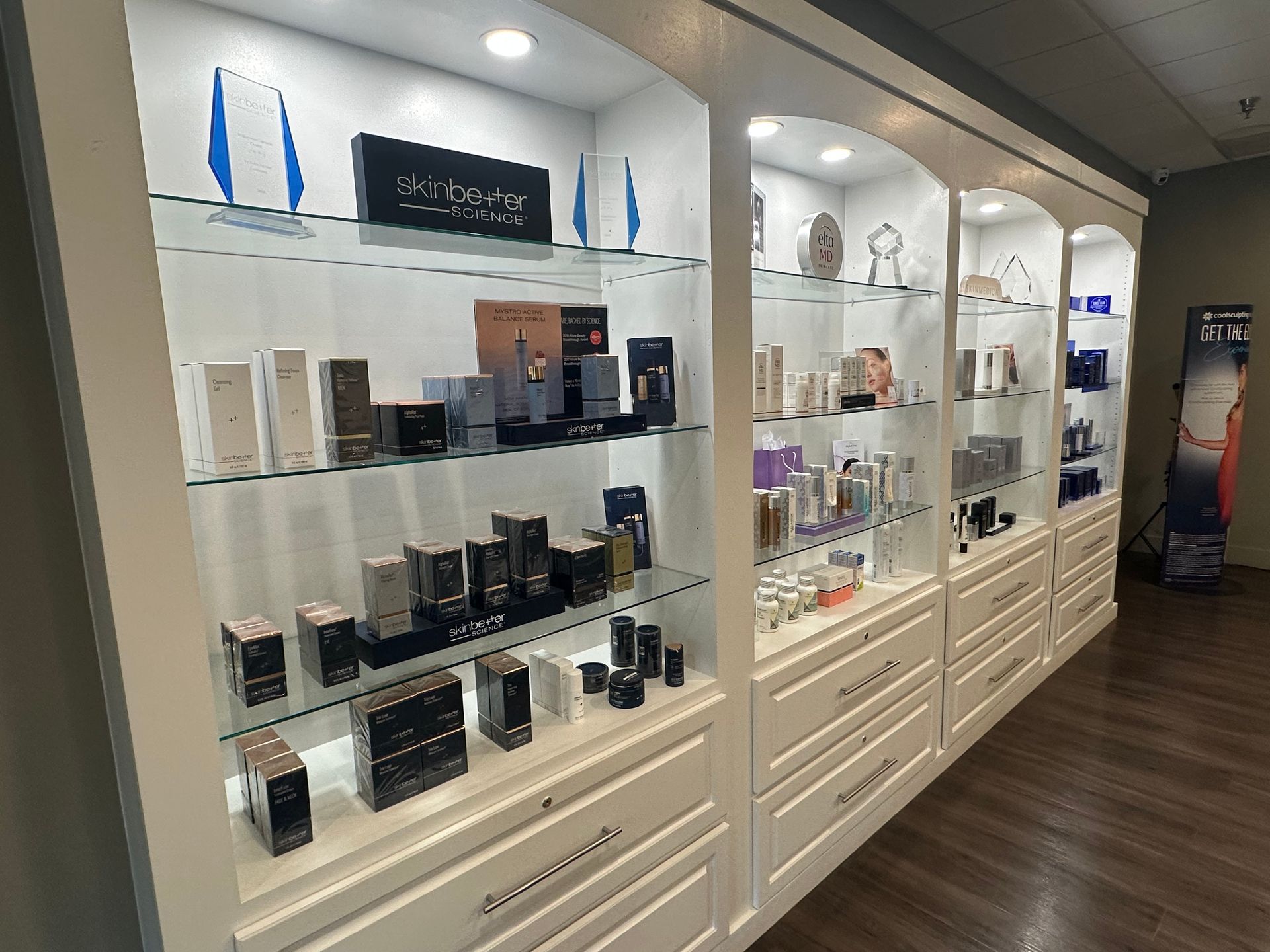
While no skincare product can replace Botox, maintaining healthy skin can complement your treatments.
We often recommend:
- Wearing sunscreen daily to reduce photoaging
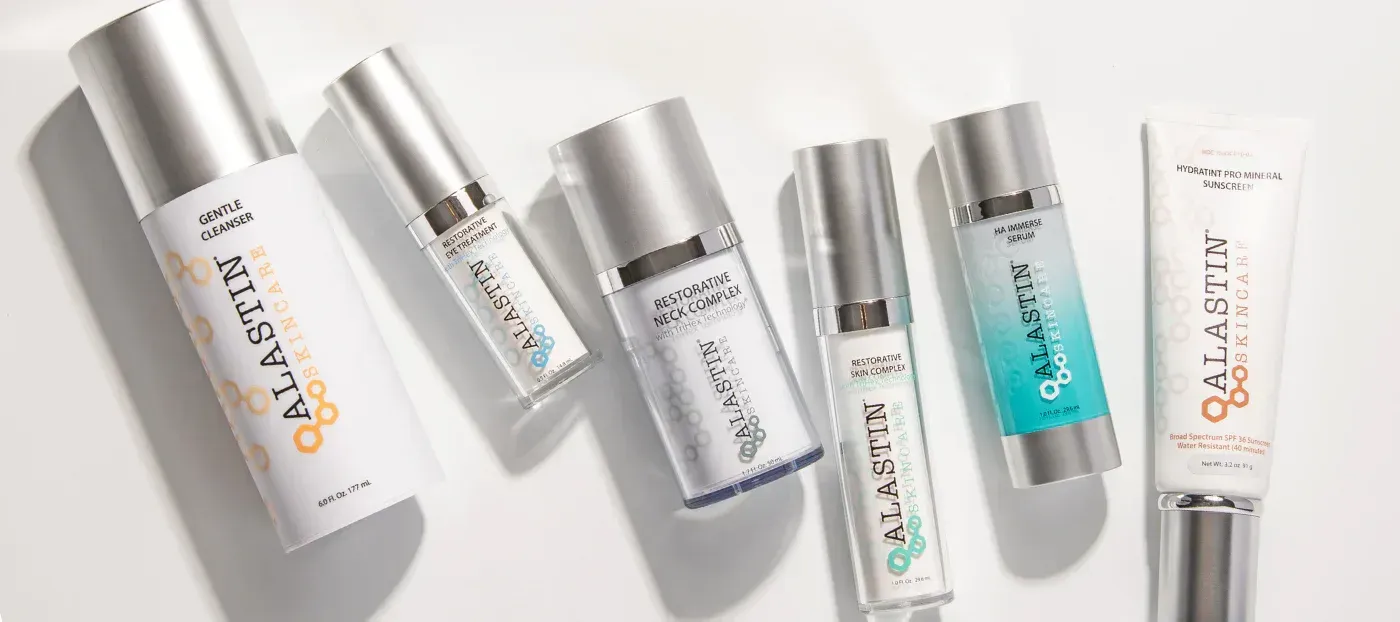
- Following a medical-grade skincare routine
- Staying well hydrated
- Avoiding smoking
- Keeping a consistent treatment schedule
These habits help maintain healthier skin, allowing your cosmetic treatments to complement one another.
When Should You Schedule Your Next Appointment?
If you're consistently noticing movement returning around the 8-10 week mark, don't wait until everything has completely worn off before coming back.
A quick evaluation allows us to determine whether it's time to adjust your treatment plan so you can continue enjoying natural-looking, long-lasting results.
Let's Find the Right Treatment Plan for You
Botox isn't just about reducing wrinkles—it's about creating personalized, natural-looking results that fit your face and your lifestyle.
If your Botox isn't lasting as long as you'd like, don't assume it's stopped working. A simple conversation and treatment adjustment may be all that's needed.
Schedule a consultation with our experienced aesthetic providers at Williamson Cosmetic Center, and let's create a treatment plan designed to keep you looking refreshed and confident all year long.
Williamson Cosmetic Center Blog