








Otoplasty (ears)
Pinning, reductions and reshaping.
YOUR EAR EXPERTS IN LOUISIANA
Our surgical team is 'all ears' at our Baton Rouge location.
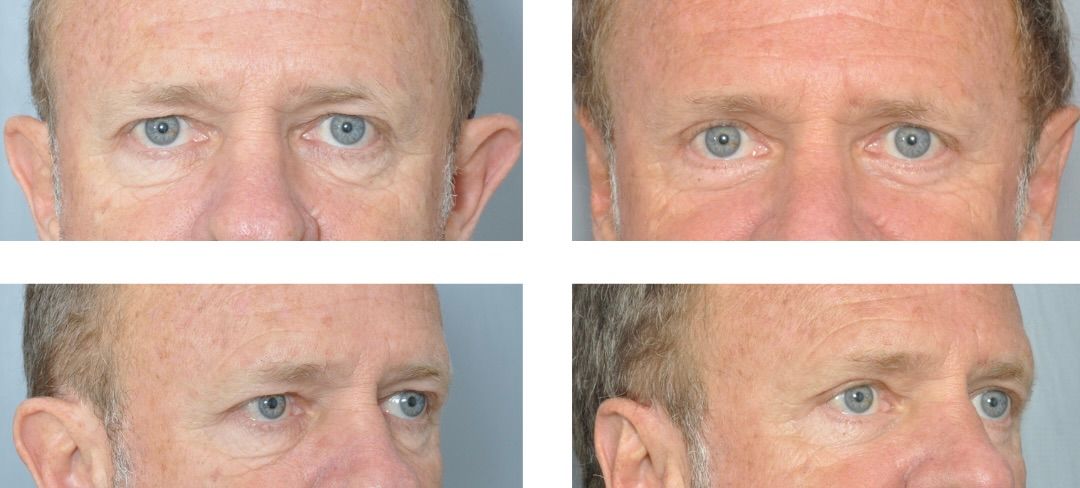
Otoplasty, commonly known as ear pinning or cosmetic ear surgery, is a procedure designed to reshape and reposition the ears for a more harmonious facial appearance. This surgery is often sought by individuals, including children after age five when ear development is mostly complete, who are self-conscious about prominent, large, or unusually shaped ears. The goal is typically to bring the ears closer to the head or to correct asymmetries, creating a more balanced profile that enhances self-esteem. The techniques employed during an otoplasty vary depending on the specific correction needed, but generally involve making incisions behind the ear to access and modify the cartilage, either through suturing it into a desired shape or by removing small amounts of tissue.
The Procedure
Ear surgery typically takes about two to three hours and begins with an incision behind the ear, in the natural fold where the ear joins the head. The surgeon then removes the necessary amounts of cartilage and skin to achieve the desired effect. In some cases, the cartilage is trimmed and shaped, then secured with permanent absorbable tacks. In other instances, no cartilage is removed; instead, stitches are used to hold the cartilage in place. Absorbable tacks are applied to anchor the ear until healing occurs, ensuring it remains in the desired position.
Post-Surgery Considerations
After otoplasty, patients may experience a few minor complications. A small percentage might develop a blood clot on the ear, which can either dissolve naturally or be removed with a needle. There is also a risk of infection in the cartilage, which can lead to scar tissue formation. These infections are typically treated with antibiotics, but in rare cases, surgery may be necessary to drain the infected area.
The risks associated with otoplasty are minimal. Post-surgery, a thin white scar may form behind the ear, but it is usually inconspicuous due to its location in a natural crease.
Recovery
Recovery times for otoplasty are relatively short. Most adults can return to work about five days after surgery, while children can typically go back to school after about seven days. Otoplasty offers a safe and effective way to improve the appearance of the ears, with minimal risks and a quick recovery period.
What types of ear concerns can Otoplasty correct?
Otoplasty is most commonly performed to correct ears that protrude or "stick out" too far from the head (prominent ears). It can also fix issues like constricted ears, lop ear, Stahl's ear (or "elf ear"), and ear asymmetry.
What is the recommended age for Otoplasty?
For children, it's typically recommended after age five or six, as the ears are nearly fully grown and the child is old enough to understand and comply with post-operative care and activity restrictions. Adults can undergo the procedure at any age.
Will Otoplasty affect my hearing?
No. Otoplasty focuses only on reshaping the outer part of the ear (the pinna) and does not involve the ear canal or inner ear structures responsible for hearing.
How long does the Otoplasty procedure take?
The surgery typically takes about one to three hours, depending on the complexity of the correction needed. It is usually performed as an outpatient procedure.
Will there be visible scarring?
Incisions are strategically placed in the natural crease behind the ear or within the ear's inner folds, which makes the resulting scars very discreet and virtually unnoticeable once fully healed.
Are the results of Otoplasty permanent?
Yes, the results of an Otoplasty procedure are considered permanent. Once the cartilage is reshaped and secured in its new position, it will maintain that shape.
How long is the recovery time?
Most patients can return to light, non-strenuous work or school within five to seven days. You will need to wear a protective head dressing for the first few days, followed by a lighter headband (often just at night) for several weeks.
When can I resume strenuous exercise and sports?
You should avoid strenuous activities, heavy lifting, and any activity that could risk trauma to the ears for at least four to six weeks to ensure proper healing.
Is the surgery painful?
The procedure is performed under anesthesia (local or general), so you will not feel pain during the surgery. After the procedure, mild to moderate discomfort, tightness, or soreness is common and can typically be managed with prescribed pain medication.