


Your Cosmetic Surgery & Aesthetic Experts in Baton Rouge, Gonzales & Lake Charles
Expert plastic surgery, facial rejuvenation, laser treatments, injectables, and personalized skincare in South Louisiana.

Your Experts in Cosmetic Surgery & Aesthetics in South Louisiana
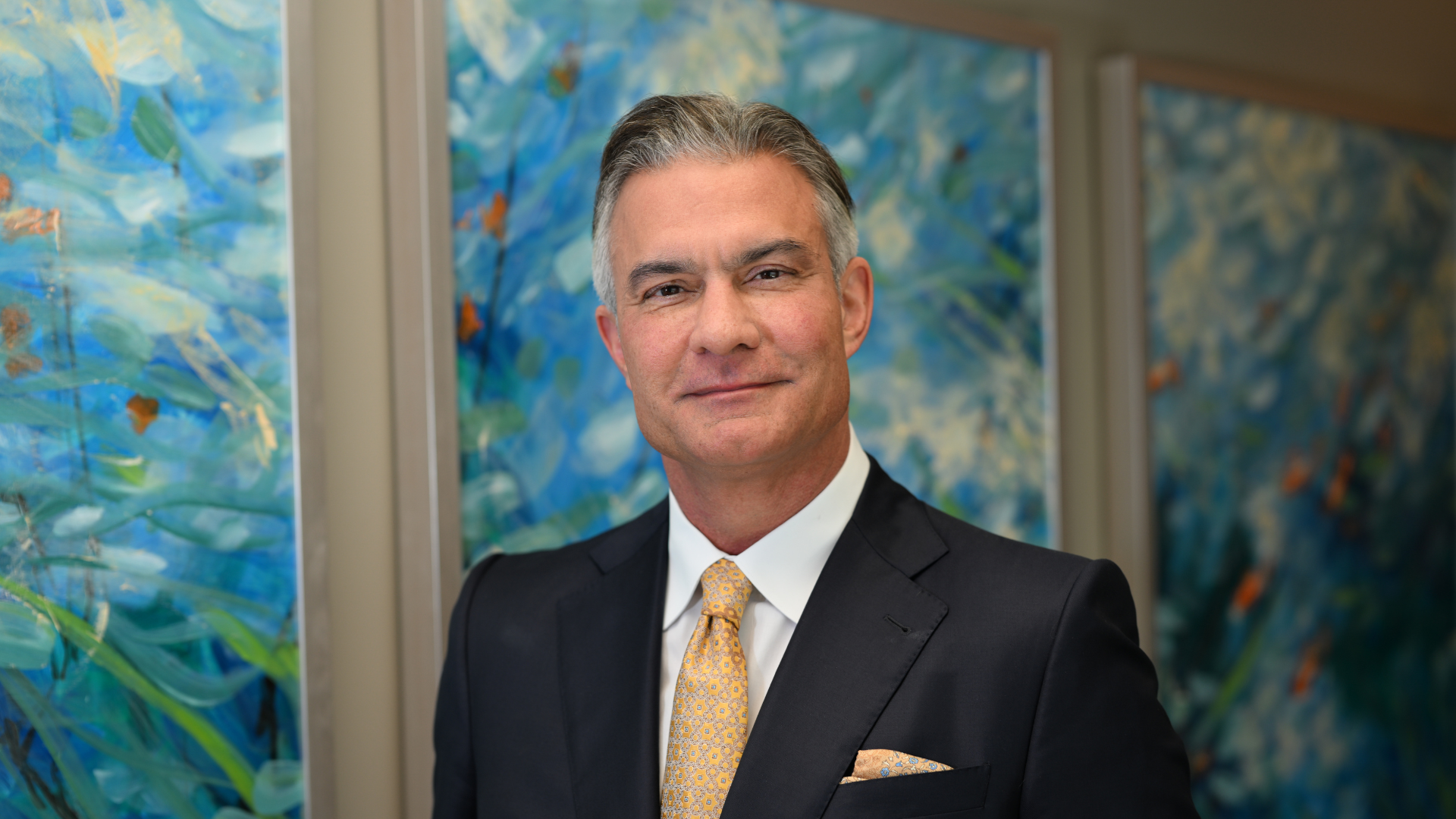
With over 20 years of experience, Williamson Cosmetic Center & Perenack Aesthetic Surgery offers advanced cosmetic surgery and aesthetic treatments under the leadership of Dr. Jon Perenack, double board-certified facial cosmetic surgeon.
For cosmetic services in Baton Rouge, Gonzales, and Lake Charles, Louisiana, our experienced team provides personalized care focused on natural-looking results.
INTERNATIONALLY RECOGNIZED
PHYSICIAN OWNED & OPERATED FOR 20+ YEARS
Real Patient Reviews
Articles & Events
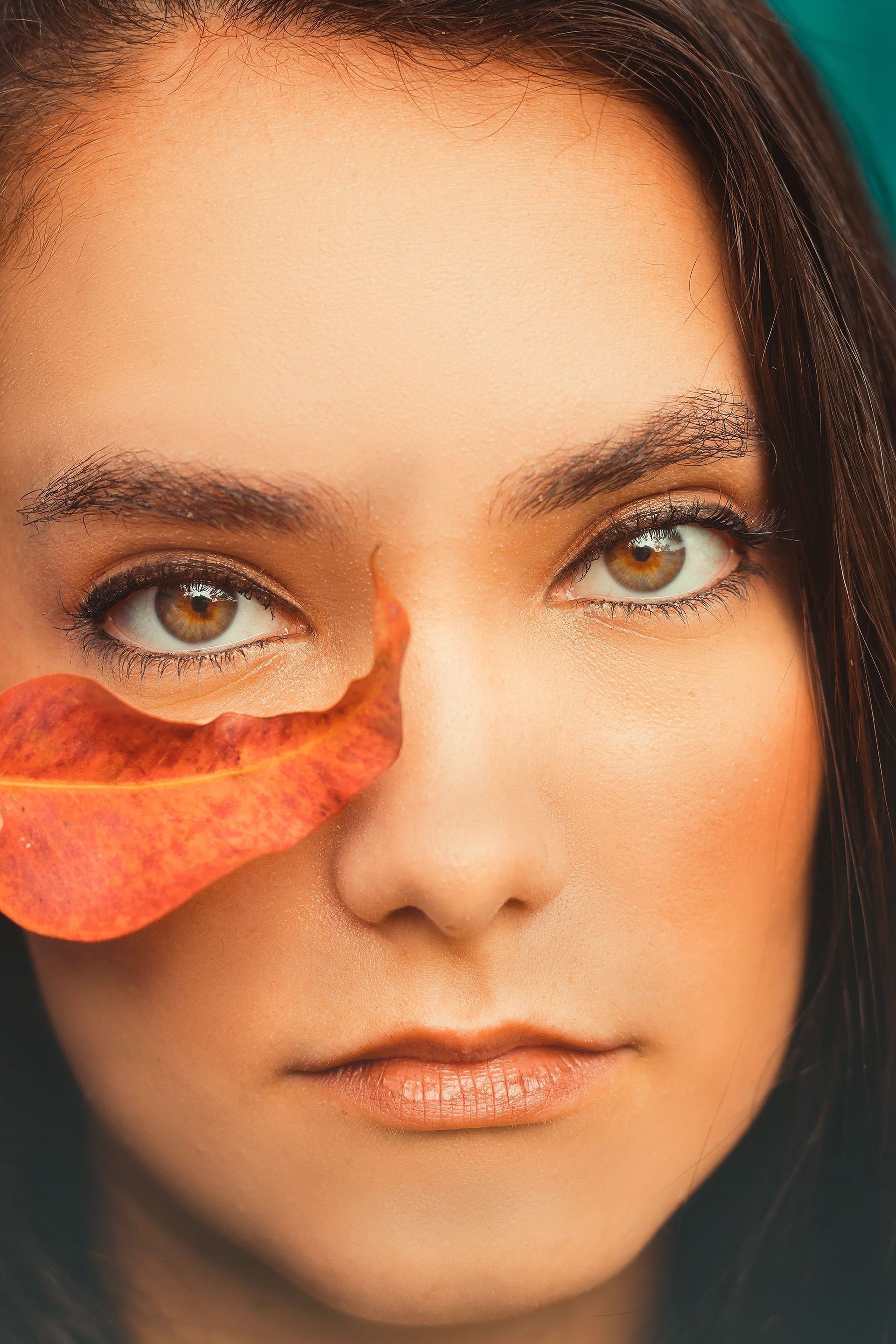
Fall may officially be here, but if you live in Louisiana, you know that doesn't always mean crisp air, sweaters, and cooler temperatures. Williamson Cosmetic Center & Perenack Aesthetic Surgery can help!
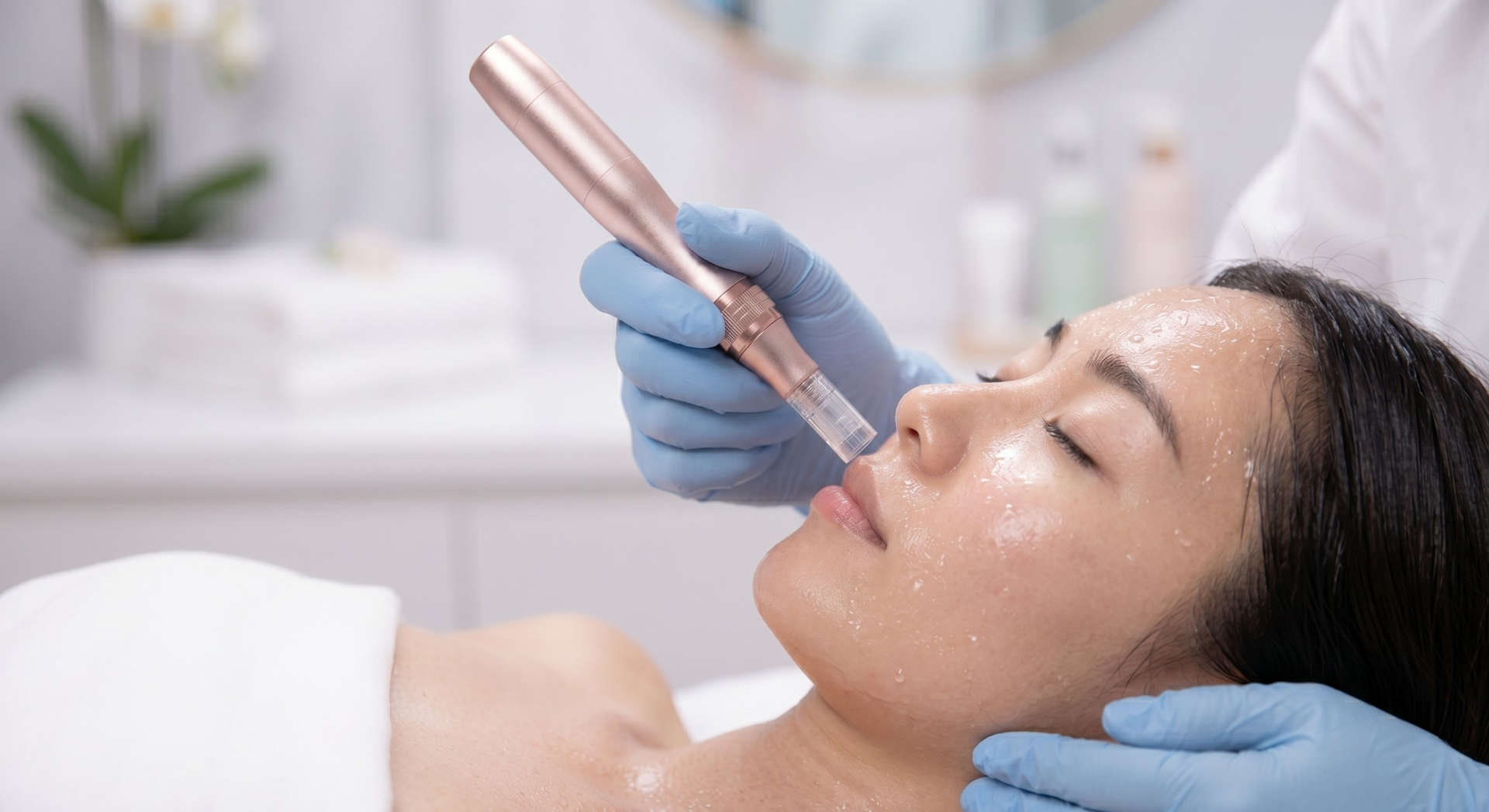
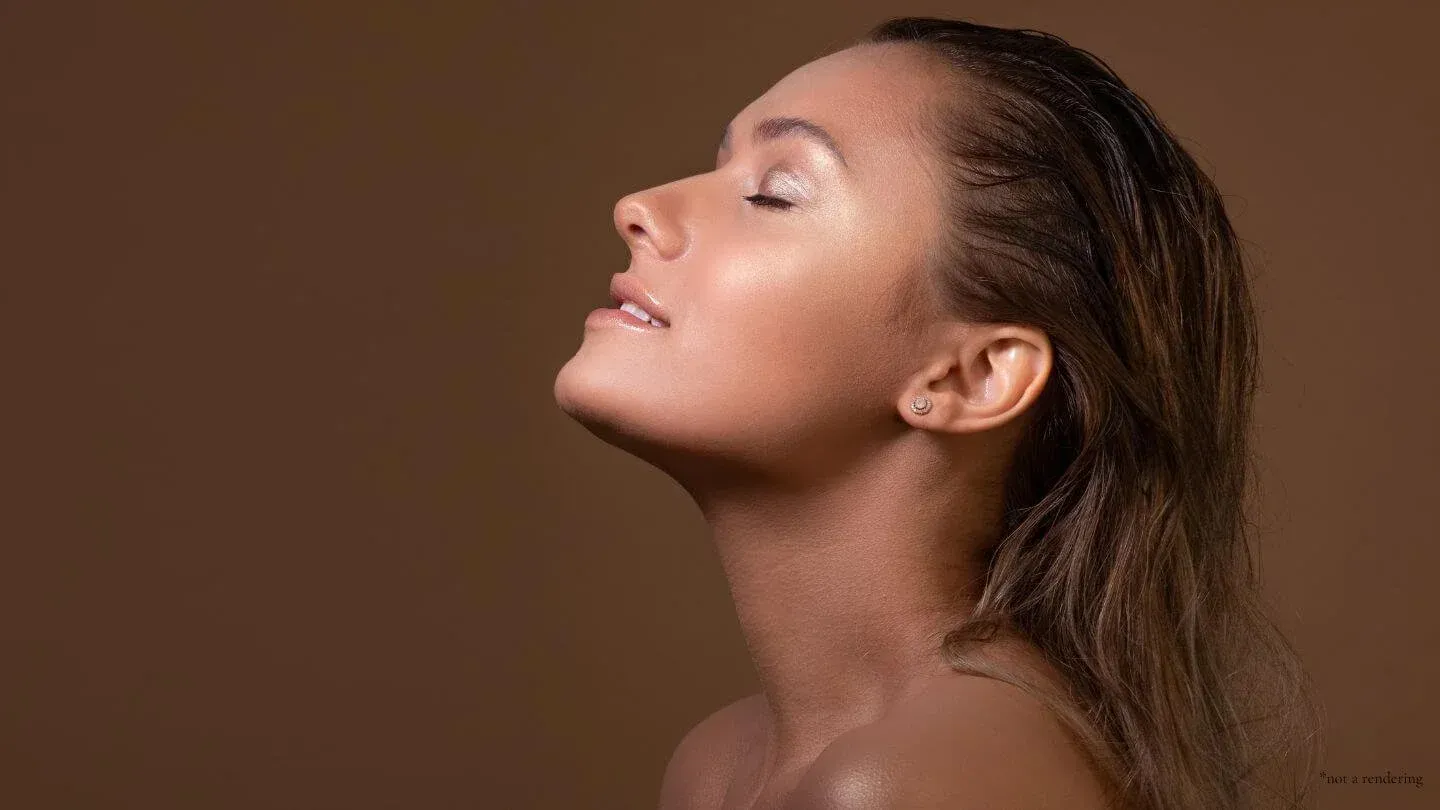
Glass Skin Microneedling: Refresh Dull, Tired Skin After Summer from Williamson Cosmetic Center in Louisiana
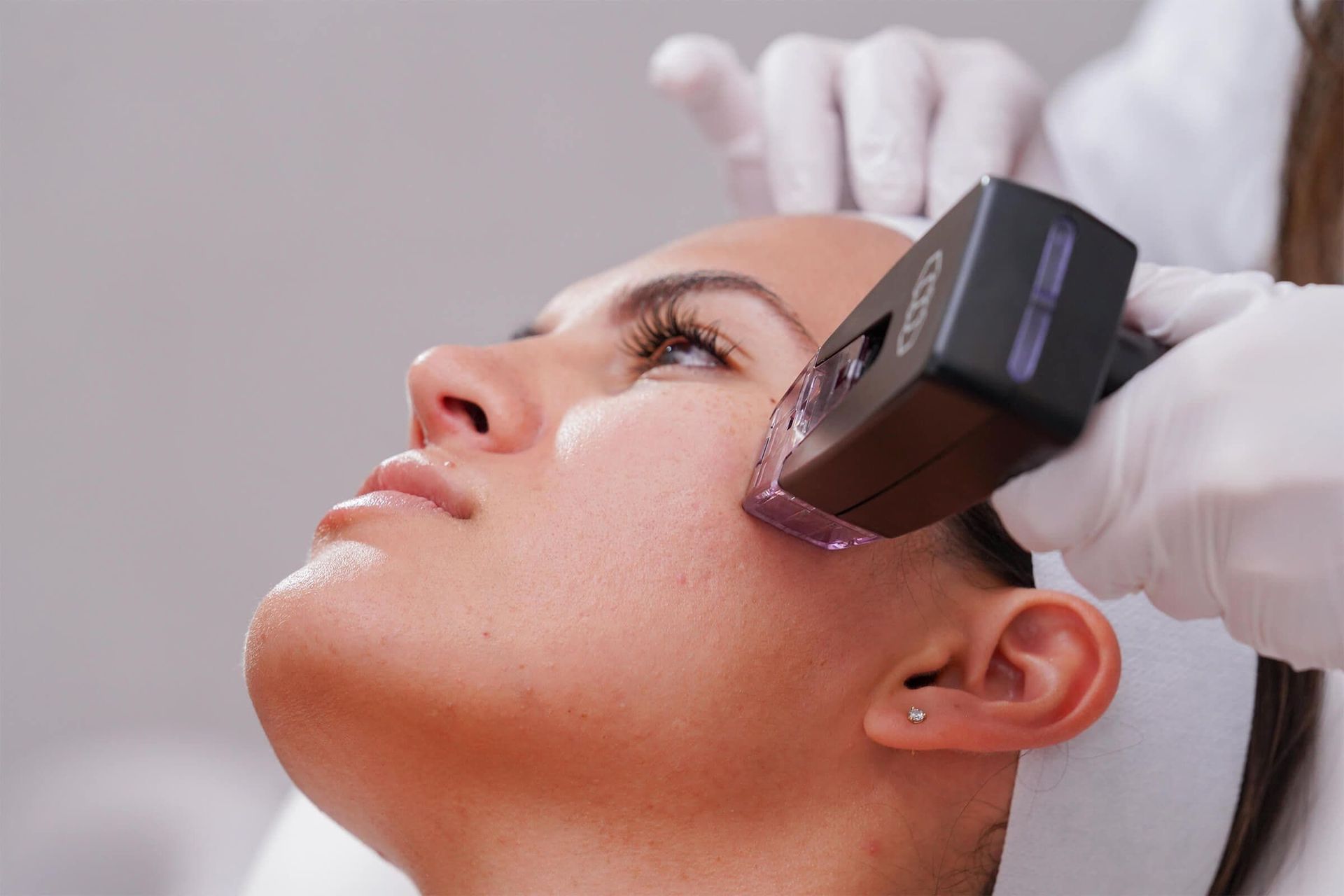
Morpheus8: Snatch, Tighten & Refresh Your Look This Fall from Williamson Cosmetic Center
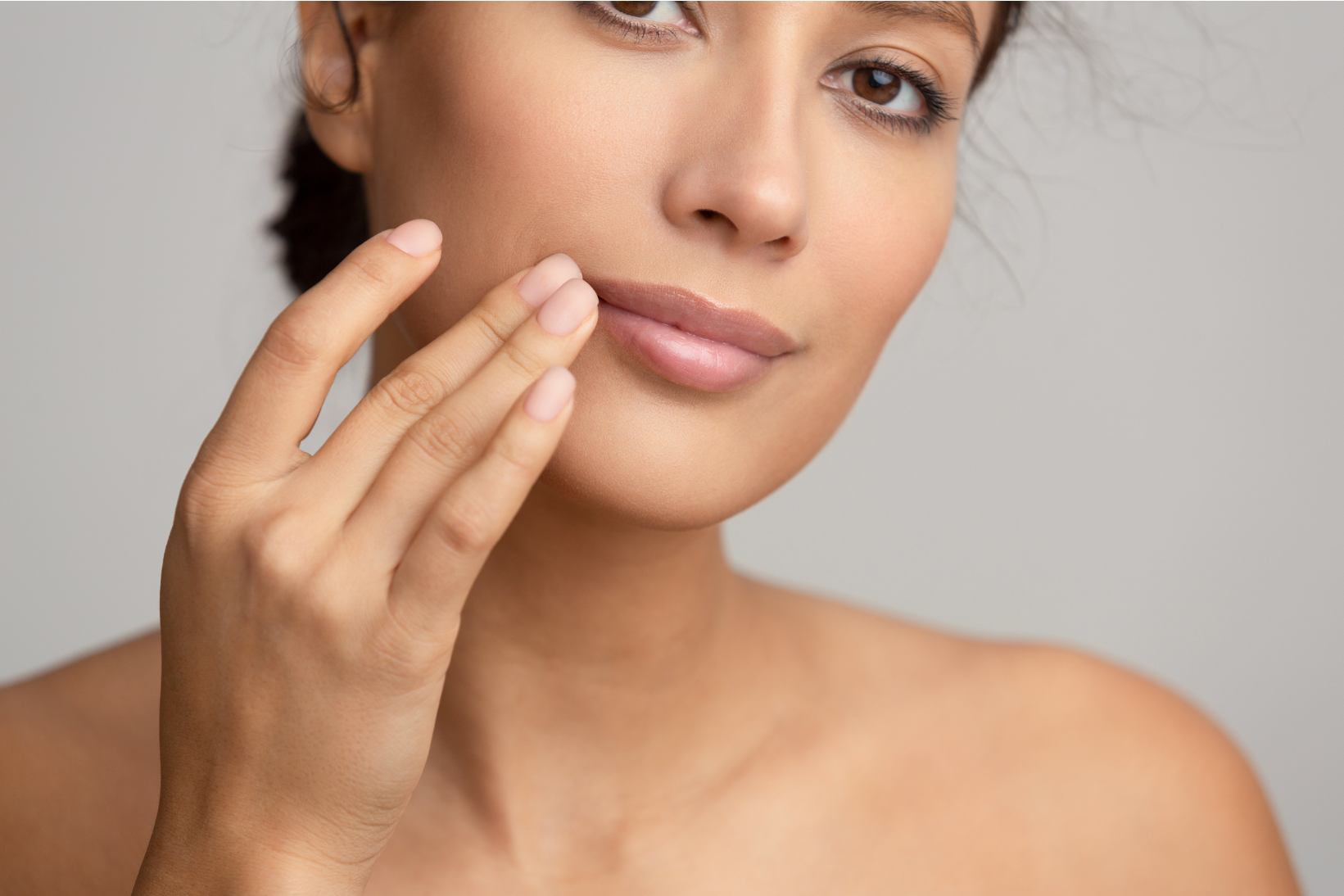
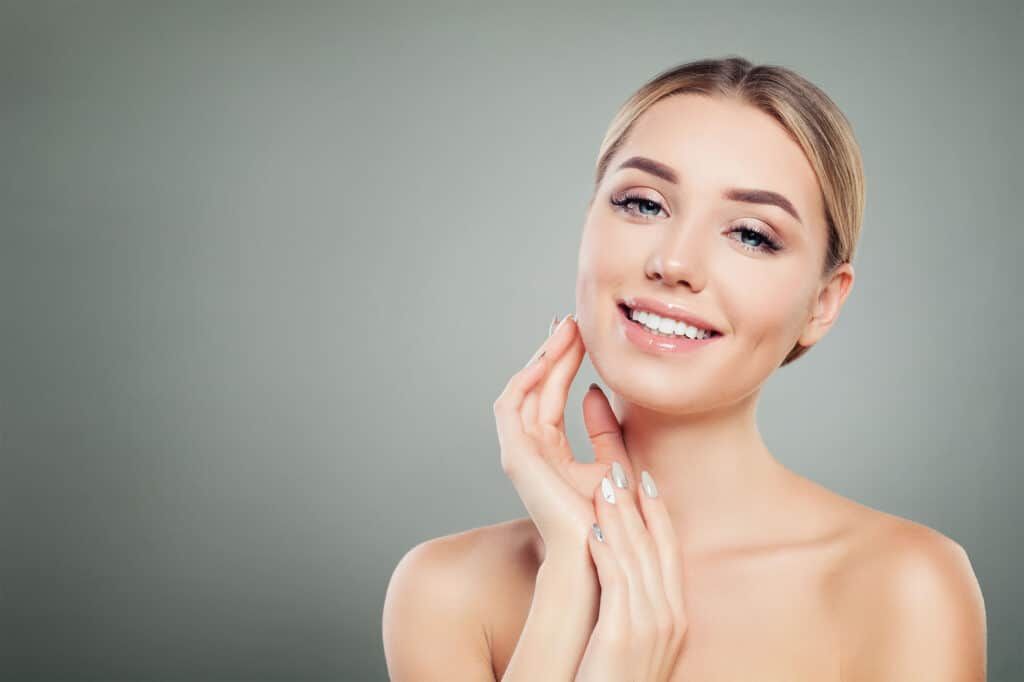
Natural-Looking Botox: Refreshed, Not Frozen from Williamson Cosmetic Center
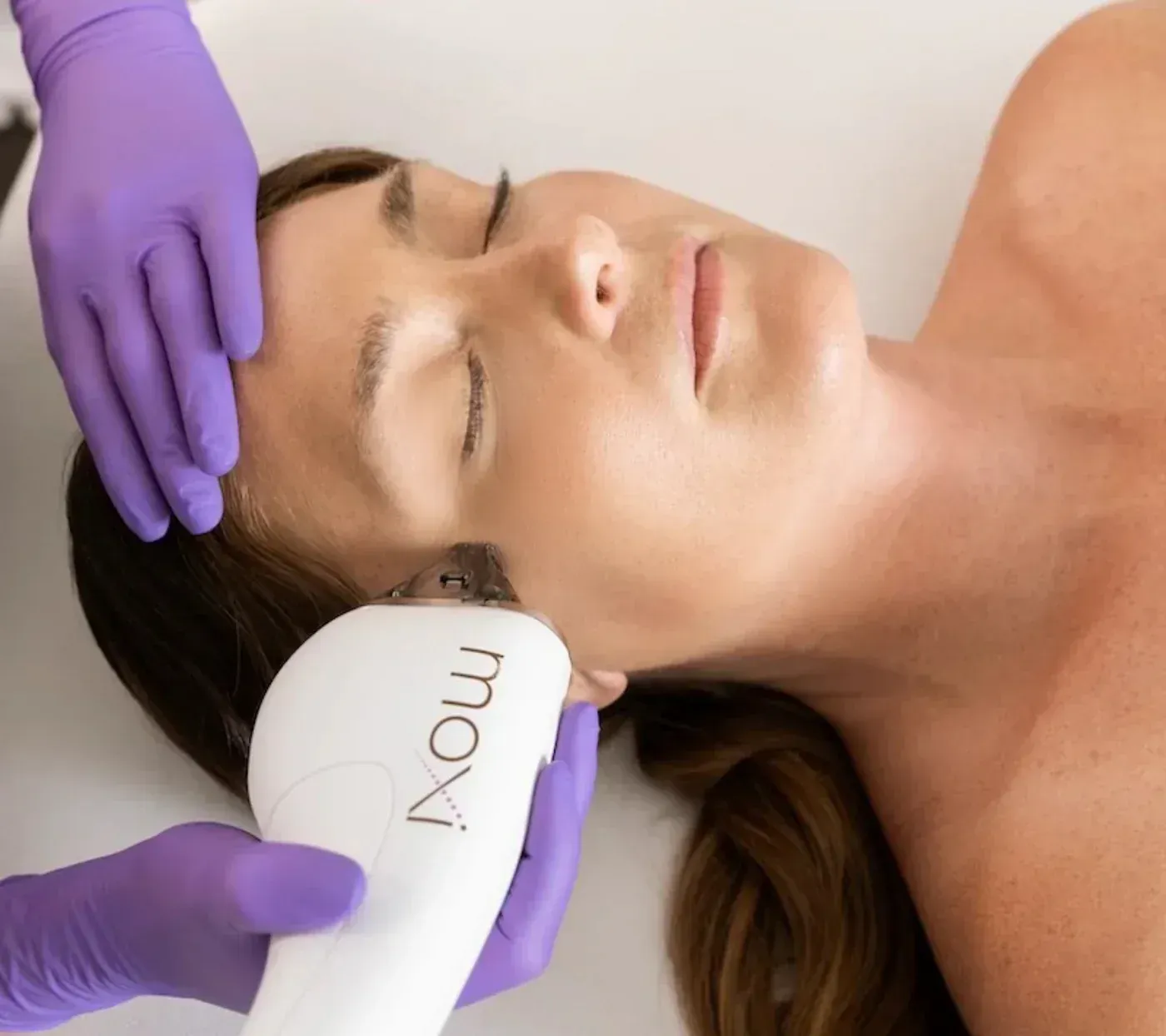
MOXI Laser: The Perfect Fall Skin Refresh After Summer
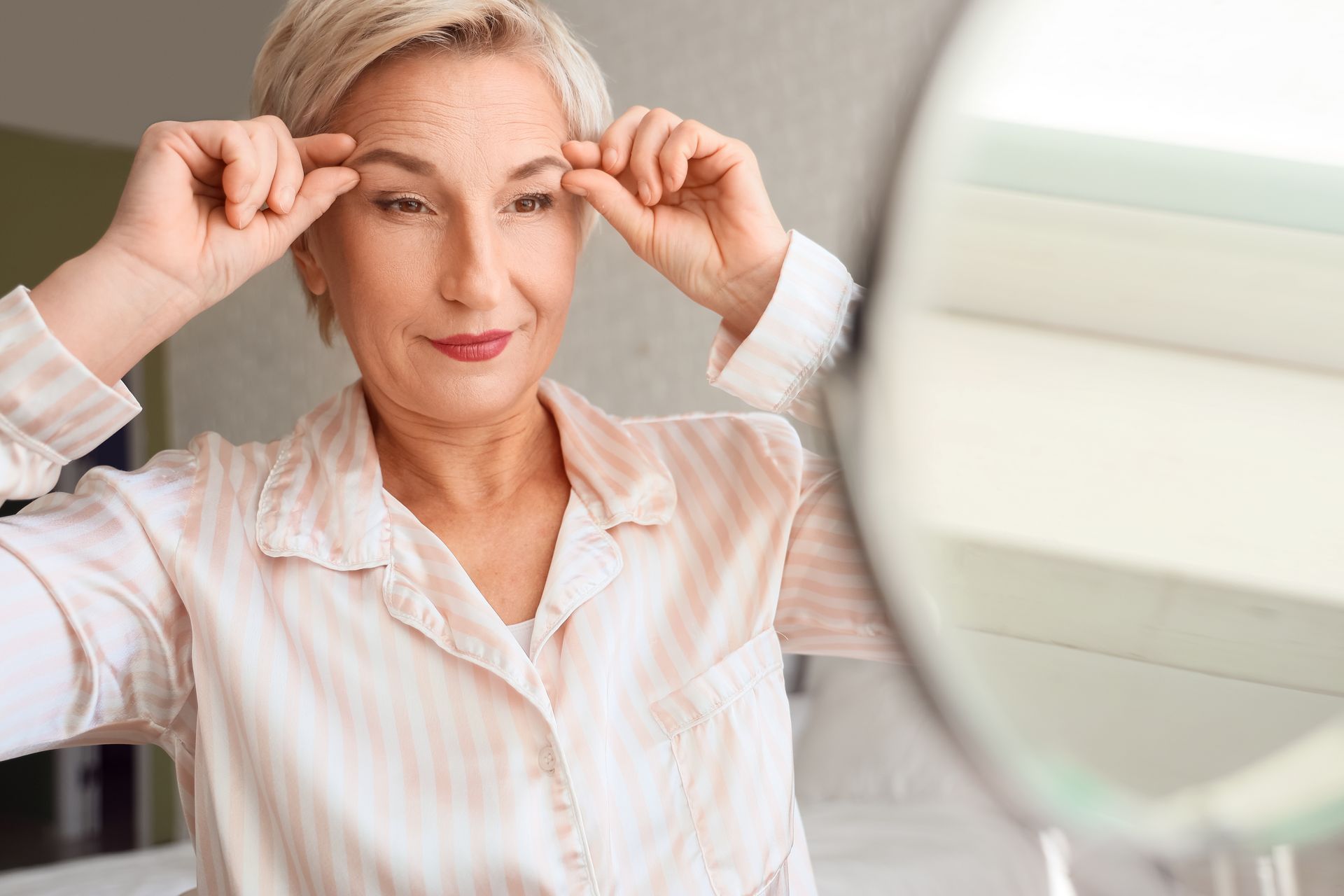
Discover scarless brow and cheek lift surgery in Baton Rouge, LA, for a refreshed, naturally elevated appearance with discreet incisions.
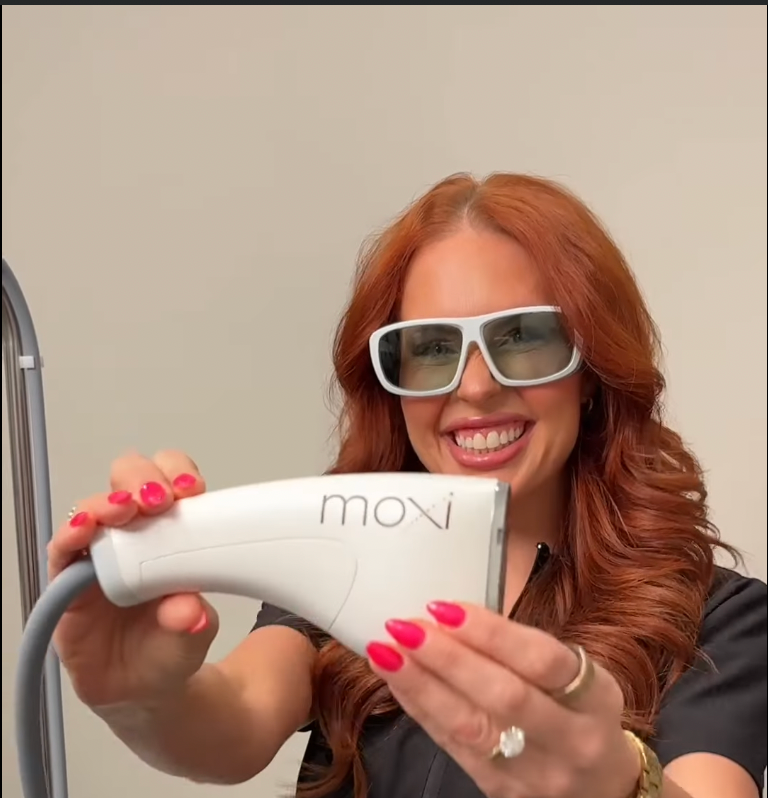
After a long Louisiana summer filled with sunshine, heat, and time outdoors, your skin may be showing signs of sun exposure. Darker sun spots, uneven tone, rough texture, and dullness can all become more noticeable. That’s why fall can be the perfect time for a skin reset. At Williamson Cosmetic Center in Gonzales, MOXI™ laser treatments offer a gentle, customizable way to improve the appearance of pigmentation, sun damage, uneven tone and texture, visible pores, fine lines, and early signs of aging. Why Choose MOXI in the Fall? With less time spent in peak summer sun, fall can make it easier to stay mindful of sun protection following treatment. Daily broad-spectrum SPF is still essential year-round, especially after a laser treatment. Fall is also a great time to start before the busy holiday season. MOXI typically involves less downtime than more aggressive resurfacing treatments, although redness and a rough, sandpaper-like texture may occur as the skin renews. Depending on your skin and goals, your provider may recommend a series of treatments or ongoing maintenance to help you achieve and maintain a brighter, smoother-looking complexion. Give Your Skin a Fall Reset After months of summer sun, your skin may be ready for a refresh. Our team at Williamson Cosmetic Center can create a personalized MOXI treatment plan based on your skin, lifestyle, and aesthetic goals. MOXI treatments are available for booking October 5–9. Give our team a call to secure one of these limited appointments!
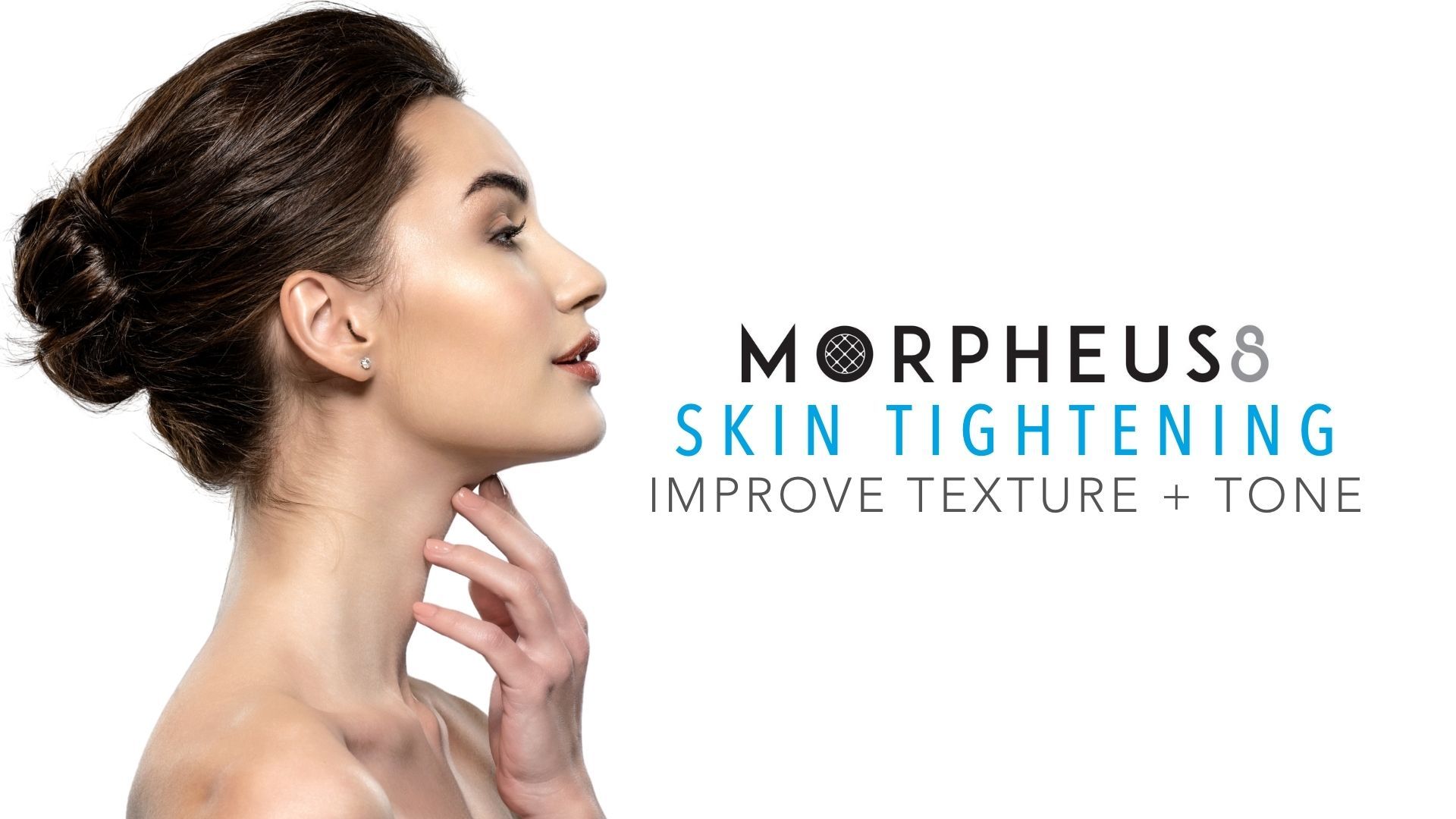
As skin matures, collagen and elastin production naturally slows, leading to skin laxity, jowling, and softening along the jawline and neck. Morpheus8 is a minimally invasive subdermal remodeling treatment designed to address these structural changes