



IPL/Photo Rejuvenation
Treat sun damage without disruption of the skin's surface, with no downtime.
YOUR IPL/PHOTO REJUVENATION EXPERTS IN LOUISIANA
A great treatment for the face, neck, chest & hands.
Understanding IPL/Photo Rejuvenation. Intense Pulsed Light (IPL) therapy, often referred to as Photo Rejuvenation or a "Photo Facial," is a non-invasive cosmetic procedure designed to improve the color and texture of the skin. Unlike lasers, which use a single, focused wavelength of light, IPL utilizes a broad spectrum of high-intensity light pulses. This light is delivered deep into the skin's second layer (dermis) and is selectively absorbed by specific color targets, known as chromophores—primarily melanin (the brown pigment in sunspots and freckles) and hemoglobin (the red pigment in broken capillaries and redness). The light energy converts to heat, safely damaging these unwanted pigmented or vascular structures without harming the surrounding tissue. This triggers the body's natural healing process to eliminate the damaged cells, revealing a clearer complexion.
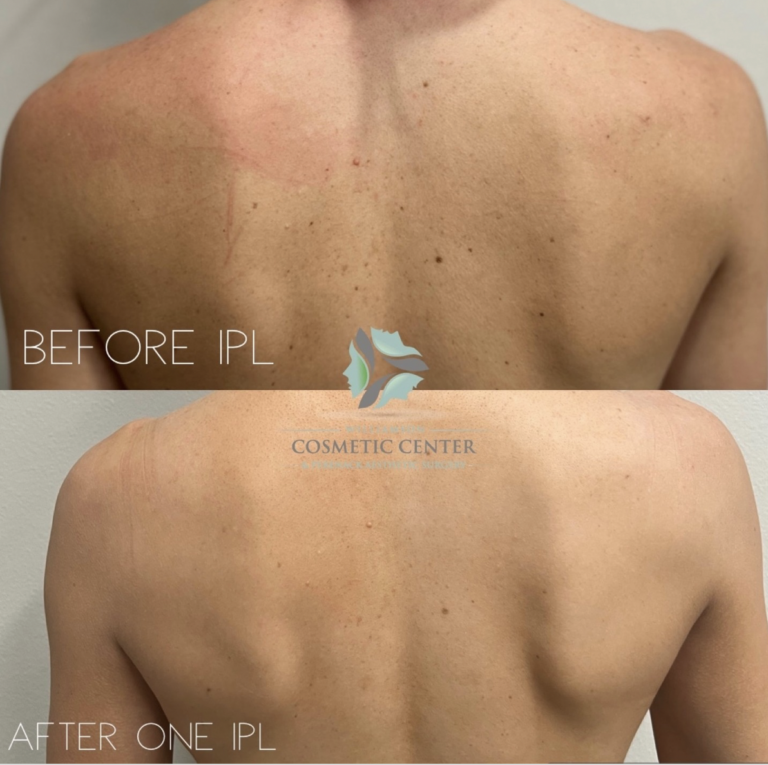
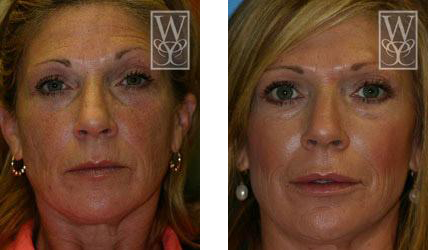
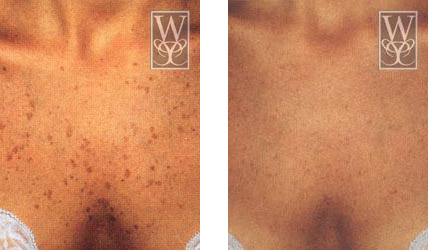
Targeting Common Skin Concerns. The unique broad-spectrum nature of IPL makes it highly versatile for treating a variety of aesthetic issues simultaneously. It is particularly effective for reversing the visible signs of sun damage, often called photoaging, on the face, neck, chest, and hands. Key skin concerns successfully addressed include age spots, sunspots, freckles, and other forms of hyperpigmentation. Additionally, IPL is a powerful tool for reducing facial redness caused by conditions like rosacea and minimizing the appearance of fine broken capillaries or spider veins, leading to a more uniform and balanced skin tone.
Comprehensive Skin Rejuvenation Benefits.
Beyond correcting discoloration, IPL Photo Rejuvenation offers significant benefits for overall skin health and appearance. The controlled thermal energy delivered during the treatment stimulates the production of
collagen and elastic fibers within the dermis. This internal regeneration process helps subtly improve the skin's texture, minimize the appearance of fine lines and wrinkles, and tighten mild skin laxity. As a non-ablative procedure, IPL involves minimal downtime, typically just a few hours of mild redness similar to a sunburn. Patients often undergo a series of quick, 15–30 minute sessions to achieve optimal results, which include a smoother, brighter, and more youthful-looking complexion.
How many treatments will I need?
Most patients require a series of treatments, typically 3 to 6 sessions, spaced about three to four weeks apart, to achieve optimal results. Follow-up or "maintenance" treatments are often recommended once or twice a year.
What does the treatment feel like? Is it painful?
Patients commonly describe the sensation as feeling like a quick, warm snap or the flick of a rubber band against the skin with each pulse of light. The discomfort is brief and momentary. A cooling gel or topical numbing cream is often applied beforehand to ensure comfort.
How long does an IPL session take?
The procedure is relatively quick. Treating a full face generally takes 20 to 30 minutes, while smaller areas like the hands may take less time.
Is there any downtime after IPL?
One of the biggest advantages of IPL is that it has minimal to no downtime. You may experience mild redness, similar to a light sunburn, which usually subsides within a few hours. You can typically return to your normal activities immediately.
When will I see the results?
You will see a gradual improvement. For pigmented spots (sunspots/freckles), the dark spots will initially get darker, rise to the surface, and then flake off within 7 to 14 days. For redness and fine lines, results become more apparent over a few weeks as collagen production increases.
How long do the results last?
The results are considered long-lasting, especially when treating specific spots. However, the skin will continue to age, and new sun damage can occur. Maintaining results requires a diligent skincare routine and regular sun protection.
Who is a good candidate for IPL?
The best candidates are individuals with fair to light skin tones who have sun damage, age spots, freckles, mild wrinkles, or visible redness/rosacea. Because the light targets pigment, IPL is generally not recommended for people with naturally dark or recently tanned skin due to the higher risk of hyperpigmentation (darkening).
What should I avoid before and after the treatment?
- Sun avoidance is critical. You must avoid direct sun exposure and tanning beds for at least two to four weeks prior to treatment. You may also be advised to stop using certain topical products like Retin-A or glycolic acids for a few days before the session.
- Strict sun protection (broad-spectrum SPF 30+) is mandatory for several weeks. You should also avoid excessive heat (saunas, hot tubs, intense exercise) for 24-48 hours.