




Fat Grafting
Recognized as a Top 10 Location in the USA by Allergan for the 5th straight year.
YOUR FAT GRAFTING EXPERTS IN LOUISIANA
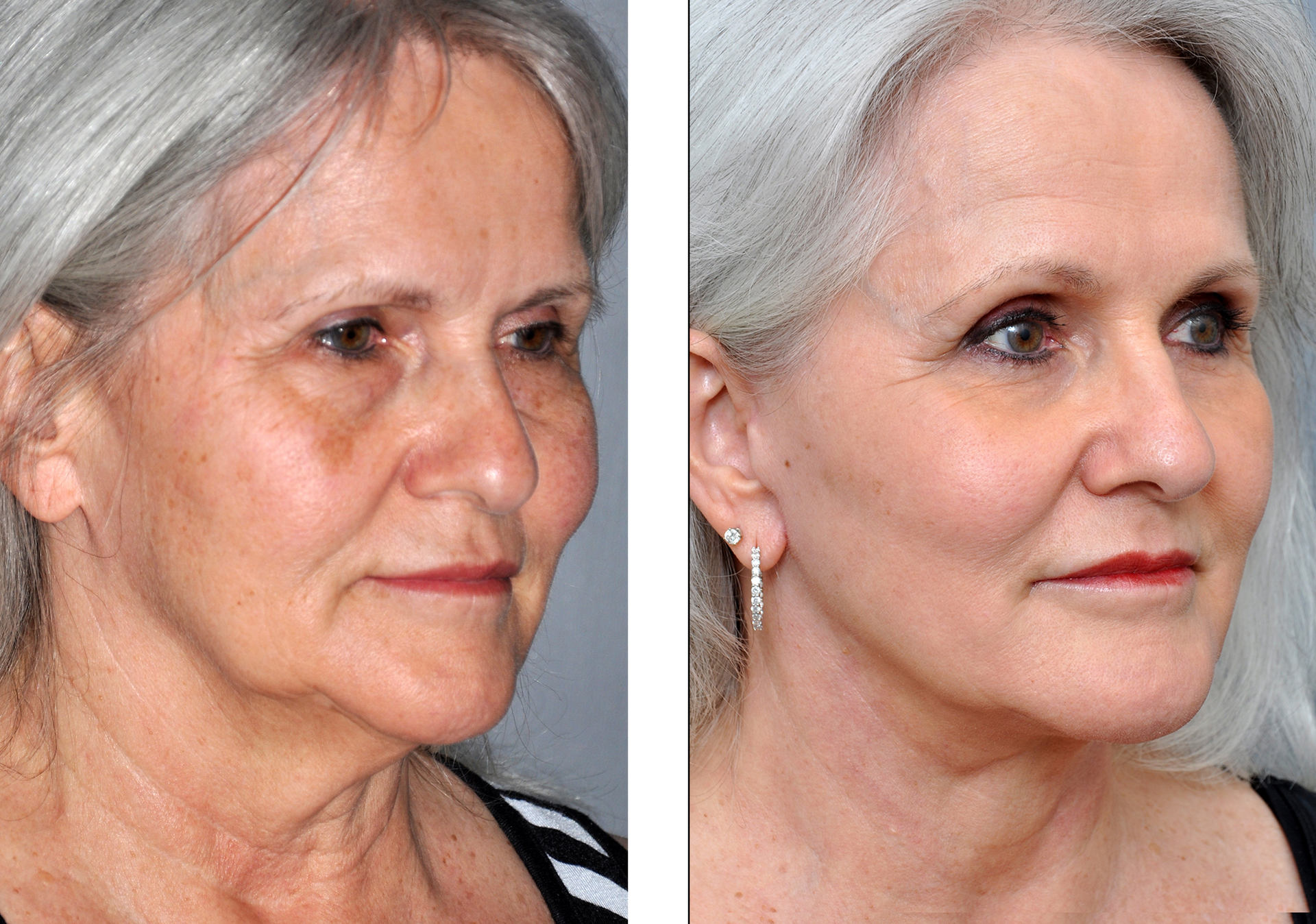
A popular and effective procedure in facial cosmetic surgery that enhances your natural beauty.
Fat grafting, also known as lipofilling or fat transfer, is a cosmetic and reconstructive procedure that harvests fat cells from one area of the body and injects them into another to restore volume, contour, or fill depressions. The procedure typically involves three main steps: harvesting, processing/purification, and placement/injection. During harvesting, the surgeon uses a specialized form of liposuction, often involving low vacuum pressure to maximize cell survival, to gently remove fat from a donor site—commonly the abdomen, flanks, or thighs. The removed tissue is then carefully processed to separate pure, viable fat cells from excess fluids, oil, and damaged cells. This purified fat is what is ultimately used to enhance areas like the face, breasts, buttocks, or hands, utilizing the body's own tissue to achieve a natural and long-lasting result.
The success and longevity of a fat grafting procedure heavily depend on the careful technique and the ultimate
take or survival rate of the transplanted fat cells in the recipient area. Once the purified fat is injected, it needs to establish a new blood supply to survive, which is why surgeons often inject it in small, dispersed droplets (the 'micro-droplet technique') across multiple tissue planes rather than in a large bolus. This maximizes the contact surface area with the surrounding recipient tissue, increasing the likelihood of revascularization and survival. Due to the inherent variability in fat cell survival, surgeons may sometimes need to slightly
overfill the area initially, anticipating that a percentage of the grafted fat will be naturally absorbed by the body over time.
What areas are usually treated?
Almost all areas of the face can be treated but there are the usually requested treatment sites:
- Correction of “hollow” eyes, visible vessels resulting in dark circles, as well as visible tear troughs
- Correction after aggressive removal of undereye fat fads from a lower blepharoplasty
- Temple areas
- Upper malar
- Sub malar
- Chin
- Lips (it isn’t a defining filler though)
- Jawline
- Forehead
- In-between the brow
- Facial scars
- Lower cheek after aggressive buccal fat extraction
- The area between upper lip and nose
- Bridge of the nose
- Anywhere else fat is needed or wanted
Many areas of the face and body can be treated with fat transfer, but the most common treatment indications are hollow appearing eyes and visible tear troughs, overly aggressive removal of fat pads during lower blepharoplasty, facial scars and depressions, and aggressive buccal fat removal or natural loss of fat in the lower cheeks. Fat transfer can also be used on the temple areas and temporal fat pads, upper malar and submalar areas, chin, lips, jawline, forehead, outer brow, and glabella, as well as between the upper lip and nose, on the bridge of the nose and lateral fatty pads, and anywhere else that fat is needed or wanted.
Are the results permanent?
Yes, the fat cells that survive are permanent. However, the body naturally reabsorbs some of the fat (typically 30-50%) in the initial months. The surviving fat integrates into the new area and behaves like natural body fat.
How much fat will survive?
Survival rates vary, but generally, about 50% to 70% of the transferred fat cells are expected to survive long-term. This is why surgeons often overfill the area slightly.
Is it better than dermal fillers?
Fat grafting is often preferred for natural, permanent volume because it uses your own tissue. Dermal fillers are synthetic and temporary, requiring repeat injections every 6-18 months.
What happens if I gain or lose weight?
The transferred fat acts like any other fat in your body. If you gain weight, the grafted fat cells may get larger; if you lose weight, they may shrink. Maintaining a stable weight is key to preserving results.