





RESTYLANE®
In-office procedure with no downtime..
RESTYLANE EXPERTS IN LOUISIANA
Most patients can return to their normal daily routine, including work, immediately after the injection.
Restylane is a prominent brand in the world of cosmetic injectables, offering a family of dermal fillers primarily composed of hyaluronic acid (HA).Hyaluronic acid is a substance that naturally occurs in the human body and plays a vital role in providing skin volume, hydration, and elasticity. As we age, the natural levels of HA, collagen, and elastin diminish, leading to volume loss, skin laxity, and the formation of wrinkles and folds. Restylane works by replenishing this lost volume. When the clear, injectable gel is carefully placed into the dermis using a fine needle, the HA molecules integrate with the skin's natural structure and bind to water, which instantly plumps the area, smoothing out wrinkles and restoring youthful contours. Because the hyaluronic acid is non-animal stabilized, the risk of allergic reaction is very low, and pre-treatment allergy testing is typically not required.
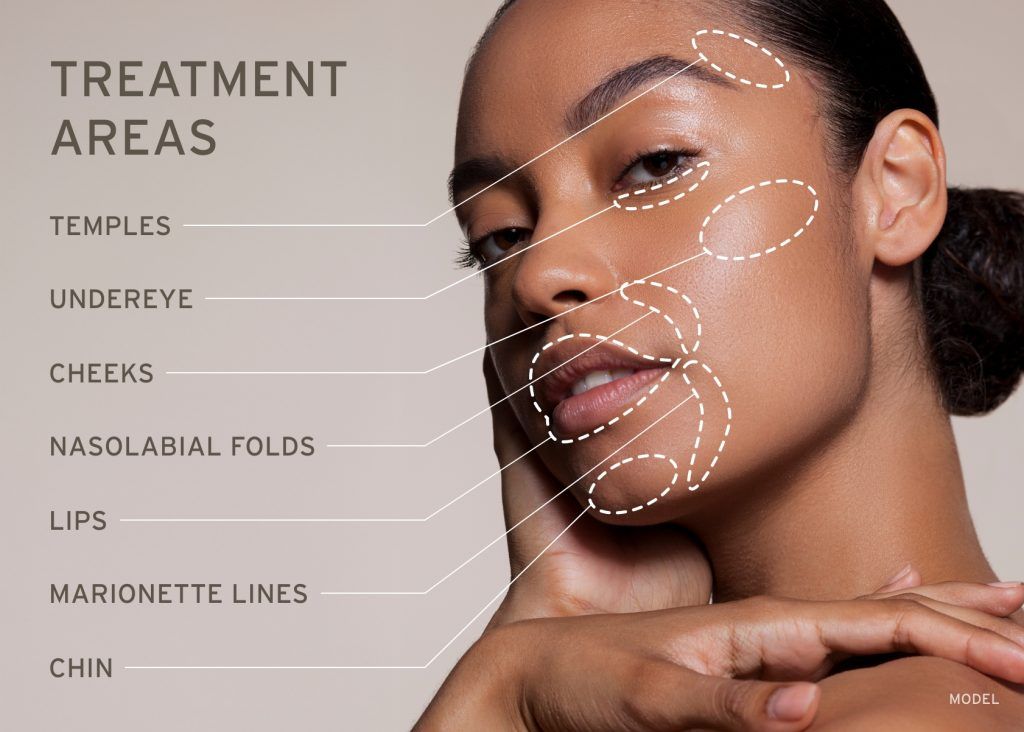
The Restylane portfolio offers various specialized formulations, each designed to address specific aesthetic concerns in different areas of the face and body. Products like Restylane and Restylane Defyne are often used to correct moderate to severe facial wrinkles and folds, such as nasolabial folds (smile lines) and marionette lines. Other specialized fillers, like Restylane Kysse, are formulated specifically for subtle lip enhancement and definition, while Restylane Lyft is thicker and often used for deeper injection to restore volume to the cheeks and mid-face. The results are typically visible immediately following the procedure, and depending on the specific product and the area treated, the effects can last anywhere from six months to over a year before a follow-up treatment is needed to maintain the desired look.
As with any injectable cosmetic procedure, there are potential side effects, though they are generally mild and temporary. The most common reactions are short-term swelling, bruising, redness, or tenderness at the injection site, which usually resolve on their own within a few days to a week. The procedure itself is minimally invasive and quick, often taking less than an hour, and most patients can return to their normal daily activities right away. Restylane provides a non-surgical option for facial rejuvenation, allowing patients to achieve a more rested, youthful, and naturally enhanced appearance by strategically restoring lost volume and smoothing lines.
How long does Restylane last?
Schedule a Consult NowThe duration of results depends on the specific Restylane product used and the area treated. On average, the effects last between 6 to 18 months. Fillers in areas with high movement (like the lips) tend to break down faster than those in less active areas (like the cheeks).
Is the treatment painful?
Discomfort is typically minimal. Restylane products often contain the anesthetic lidocaine to numb the area during the injection. A topical numbing cream or a local anesthetic nerve block (especially for lips) may be applied beforehand to maximize comfort.
What areas can Restylane treat?
Restylane is highly versatile and used for:
- Smoothing moderate to severe facial wrinkles and folds, such as nasolabial folds (smile lines) and marionette lines.
- Lip augmentation and defining the border of the lips.
- Restoring volume to the cheeks and mid-face (e.g., Restylane Lyft).
- Correcting hollowness under the eyes (tear troughs).
- Rejuvenating the back of the hands (e.g., Restylane Lyft).
Can Restylane be reversed?
Yes. Since Restylane is a hyaluronic acid-based filler, it can be quickly dissolved using an enzyme called hyaluronidase if a patient is unhappy with the results or if a complication arises. This provides an important safety net for the procedure.
Do I need to avoid anything post-procedure?
To minimize side effects and ensure the best outcome, providers generally recommend you avoid the following for at least 24 to 48 hours:
- Strenuous Exercise: Intense physical activity that increases heart rate or blood flow to the face.
- Excessive Heat or Sun: Saunas, hot tubs, very hot showers, or intense sun exposure, as heat can worsen swelling and bruising.
- Alcohol and Blood-Thinning Medications: Alcohol and certain medications (like Aspirin or Ibuprofen) can increase the risk of bruising.
- Touching or Massaging: Avoid rubbing or applying pressure to the treated area unless specifically instructed by your provider, as the filler needs time to settle.