






FACIALS
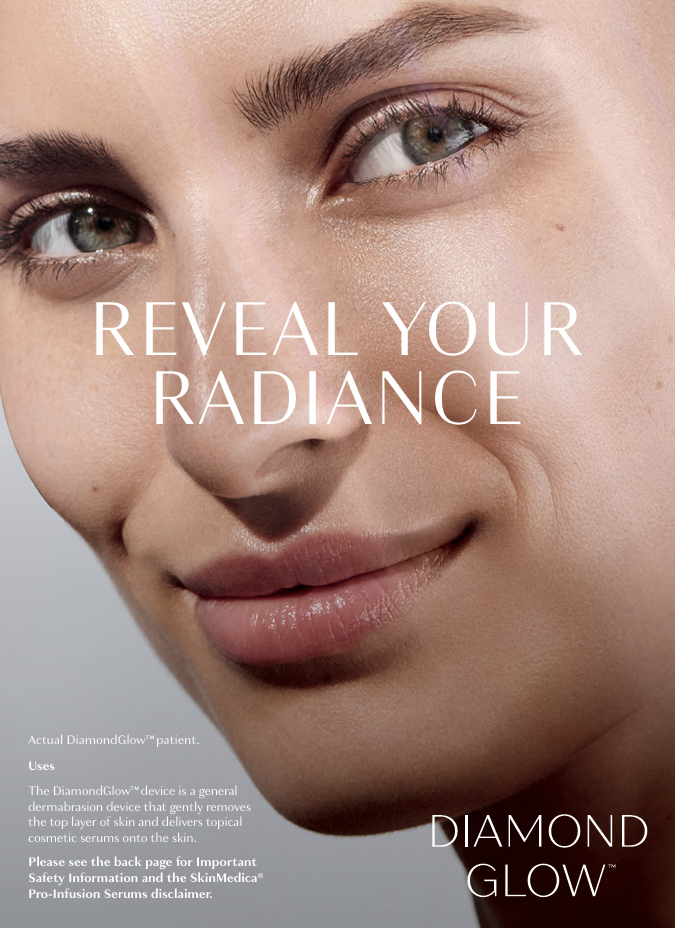
Get your Diamond Glow today!
YOUR FACIAL TREATMENT EXPERTS IN LOUISIANA
Brighter, fresher skin in just one treatment.
Microdermabrasion is a non-invasive, mechanical exfoliation procedure that works by gently sanding the skin's surface. This process uses a specialized handheld device, which either sprays fine crystals or employs a diamond-tipped wand combined with suction. The goal is to remove the outermost layer of dead, dull skin cells, revealing a fresher, smoother complexion underneath. This treatment is highly effective for improving overall skin tone and texture, softening the appearance of fine lines and wrinkles, fading hyperpigmentation and sun damage, and helping to manage acne-prone skin by clearing congested pores. It stimulates circulation and encourages the production of new skin cells and collagen, leading to firmer skin over time.
Dermaplaning, by contrast, is a manual exfoliation technique that is often considered gentler than microdermabrasion. It involves using a sterile, surgical-grade blade, held at a 45-degree angle, to gently scrape the surface of the skin. This action effectively removes the top layer of dead skin cells and, uniquely, all the fine, soft facial hair, commonly known as vellus hair or "peach fuzz." Since it removes this hair and surface debris, dermaplaning instantly results in an exceptionally smooth and radiant complexion, allowing makeup to glide on flawlessly and significantly enhancing the absorption of skincare products.
While both treatments are forms of physical exfoliation, they address slightly different needs and concerns.
Microdermabrasion is generally preferred for targeting deeper issues like mild
acne scarring, clogged pores, and more advanced sun damage due to its deeper polishing action and suction component.
Dermaplaning is ideal for achieving instant surface smoothness, eliminating peach fuzz, and is often suitable for clients with very
sensitive skin or those who want an immediate glow with virtually
no downtime. For comprehensive skin rejuvenation, some professionals may combine both treatments to achieve a deeper level of exfoliation and maximize the benefits of both techniques.
Microdermabrasion: Frequently Asked Questions
How many treatments are needed to see results? Most patients require a series of treatments (often 5 to 16 sessions spaced weekly, every two weeks, or monthly) for optimal results, though skin typically feels softer and smoother after just one session.
Does the procedure hurt? No, it is a non-invasive procedure. Patients typically report a mild sensation similar to a light scrubbing or polishing, or a sandpaper-like feel.
What is the downtime? There is generally minimal to no downtime. Skin may appear pink or slightly red for a few hours, similar to a mild sunburn.
Can it be performed on active acne? No. Microdermabrasion should not be performed over active acne lesions or highly inflamed skin.
Dermaplaning: Frequently Asked Questions
Will my hair grow back thicker or darker? No. Dermaplaning removes vellus hair (peach fuzz), and it will grow back at the same rate and texture as before because the treatment does not change the hair follicle itself.
What does it feel like? The sensation is often described as a light brushing or a smooth, gliding motion—similar to shaving—and is generally considered painless.
How often can I have dermaplaning done? Most clients receive the treatment every 4 to 6 weeks, allowing the natural skin cell turnover cycle to complete.
Can I wear makeup right after? You can typically apply makeup right after a session, as there is often no downtime.