








What is the Best Age for a Mini Facelift?
There is a moment when small changes in the mirror become more noticeable. The jawline looks softer, early jowls begin to appear, and the lower face may not reflect how refreshed or confident you feel inside. For many patients, this is when the question becomes less about age and more about timing.
At Williamson Cosmetic Center in Baton Rouge, Dr. Jon Perenack helps patients explore whether a mini facelift or a more comprehensive facial rejuvenation approach is the right next step for their goals. A mini facelift is often considered when mild lower face sagging, softening along the jawline, or early jowling begins to appear. However, the best age for a mini facelift depends less on a specific number and more on facial anatomy, skin quality, aging patterns, and the type of result you want to achieve.
This blog will explore when a mini facelift may make sense, how it compares to a full facelift, and what patients can expect in terms of recovery and cost.
Is There an Ideal Age for a Mini Facelift?
There is no single ideal age for a mini facelift, but many patients consider it in their 40s to early 60s, when early lower face aging becomes more noticeable. During this stage, concerns such as mild sagging, early jowls, and less definition along the jawline may begin to appear.
However, the right time depends on more than age. Skin quality, facial anatomy, the degree of laxity, and whether changes extend into the neck all help determine whether a mini facelift is appropriate. Some patients may benefit from a more focused procedure, while others may achieve a better outcome with a more comprehensive facelift approach.
What Is a Mini Facelift?
A mini facelift is a surgical procedure that focuses on early to moderate signs of aging in the lower face. It is commonly used to improve mild jowling, soft sagging around the jawline, and early facial laxity.
Compared with a more extensive facelift, a mini facelift is typically designed for patients who need a more focused correction. It does not address every sign of facial aging, but it can create a refreshed, more defined lower face when performed on the right candidate.
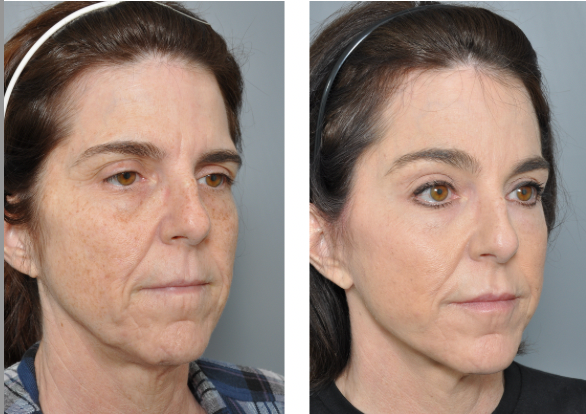
Why Do Some Patients Consider a Mini Facelift in Their 40s?
Some patients consider a mini facelift in their 40s because this is often when early lower face aging becomes more noticeable. Changes may include mild skin laxity, early jowls, or a jawline that looks less defined than it once did.
For patients in their 40s, a mini facelift may be considered when early jowling or softening along the jawline begins to appear. At this stage, the goal is often subtle refinement that helps the face look refreshed without creating a dramatic change.
Can a Mini Facelift Still Work in Your 50s or 60s?
Yes, a mini facelift can still work well for some patients in their 50s or early 60s. The key factor is not age itself, but the amount of sagging and whether the main concerns are limited to the lower face and jawline.
For example, a patient with mild to moderate jowling may be a strong candidate. However, someone with significant neck laxity, deeper folds, or more advanced facial sagging may benefit more from a traditional facelift or a combined facial rejuvenation plan.
What is the Difference Between a Mini Facelift vs Facelift?
The main difference between a mini facelift vs facelift is the amount of correction involved. A mini facelift generally focuses on earlier changes in the lower face, including mild jowling and loss of jawline definition.
A full facelift may be recommended when aging is more advanced or when concerns include deeper folds, greater skin laxity, or visible changes in the neck. At Williamson Cosmetic Center in Baton Rouge, Dr. Jon Perenack evaluates the areas of concern, the quality of the skin and underlying tissues, and the level of improvement each patient hopes to achieve before recommending the most appropriate surgical approach.
What Is Mini Facelift Recovery Like?
Mini facelift recovery is usually shorter than that of a more extensive facelift, though every patient heals differently. In general, patients can expect:
- Swelling and bruising during the first phase of healing
- Mild tightness or discomfort as the tissues begin to settle
- Some downtime before returning to social activities
- A recovery timeline that varies based on the surgical plan, overall health, and individual healing response
- Post-care instructions to help support a smoother recovery experience
How Much Does a Mini Facelift Cost?
Mini facelift cost varies based on several factors, including the surgeon’s experience, geographic location, anesthesia, facility fees, and the complexity of the procedure. The cost of a mini facelift may also change if additional treatments are recommended to enhance the final result.
Because every face ages differently, a consultation is the best way to receive accurate pricing. During this visit, patients can learn whether a mini facelift is the right option and what the full treatment plan may involve.
Who Is a Good Candidate for a Mini Facelift?
A good candidate for a mini facelift usually has mild to moderate sagging of the lower face, early jowls, and realistic expectations. The procedure is often best for someone who wants a more defined jawline and natural-looking rejuvenation without a more extensive surgical approach.
In addition, candidates should be in good overall health and understand what the procedure can and cannot achieve. Patients with more advanced facial or neck aging may need a different surgical plan to reach their goals.
When Should You Consider a Full Facelift Instead?
A full facelift may be the better choice when facial aging is more advanced. This can include significant jowling, deeper folds, loose neck skin, or more noticeable sagging throughout the lower face.
Therefore, the decision between a mini facelift vs facelift should be based on facial structure, skin laxity, and desired outcome. A personalized evaluation helps ensure that the chosen procedure aligns with the patient’s concerns.
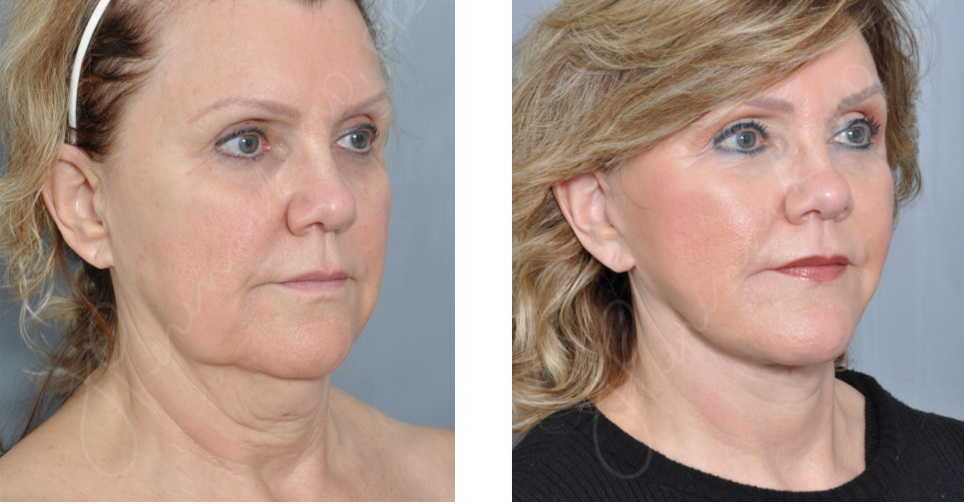
Choosing the Right Time for a Mini Facelift
Ultimately, the best age for a mini facelift depends on when facial aging begins to affect the jawline, lower face, and overall facial balance. For some patients, that may happen in their 40s, while others may not consider surgery until later.
At Williamson Cosmetic Center in Baton Rouge, Dr. Jon Perenack helps patients explore whether a mini facelift, a more comprehensive facelift, or another facial rejuvenation option best fits their goals. The focus is on selecting an approach that addresses the right concerns while supporting a natural-looking result.
Your Result Is Our Reputation
Schedule a consultation with Williamson Cosmetic Center in Baton Rouge to learn which facial surgery option may be right for you.
Williamson Cosmetic Center Blog