








Why Medical-Grade Skincare Matters—Especially When Paired with Treatments

Jade LeBlanc • June 1, 2026

As a Medical Aesthetician at Williamson Cosmetic Center, one of the most common things I hear from patients is: “I’m getting treatments—do I really need to upgrade my skincare too?”


The answer is simple—yes, and here’s why.

Treatments Are Only Part of the Equation


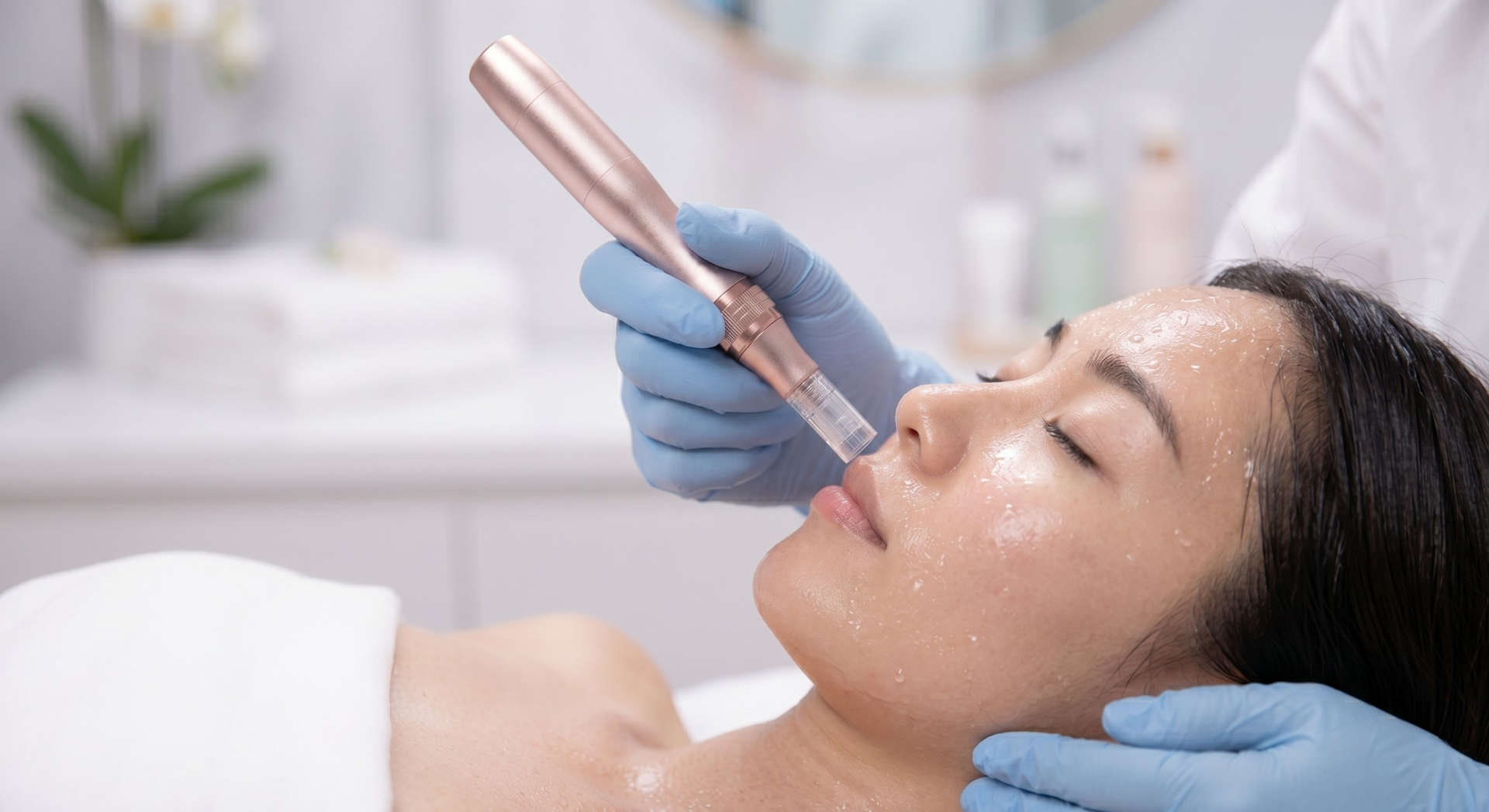
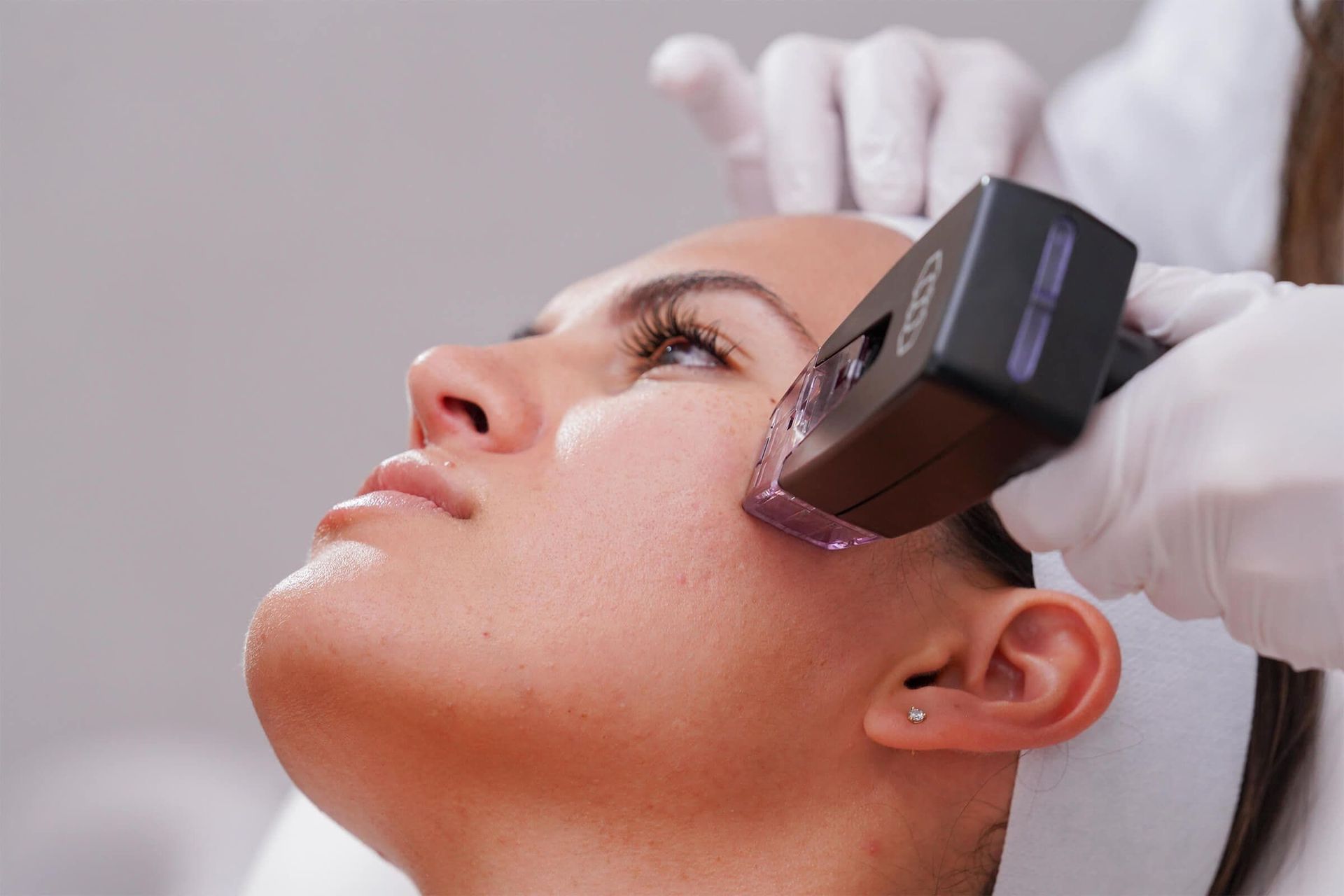
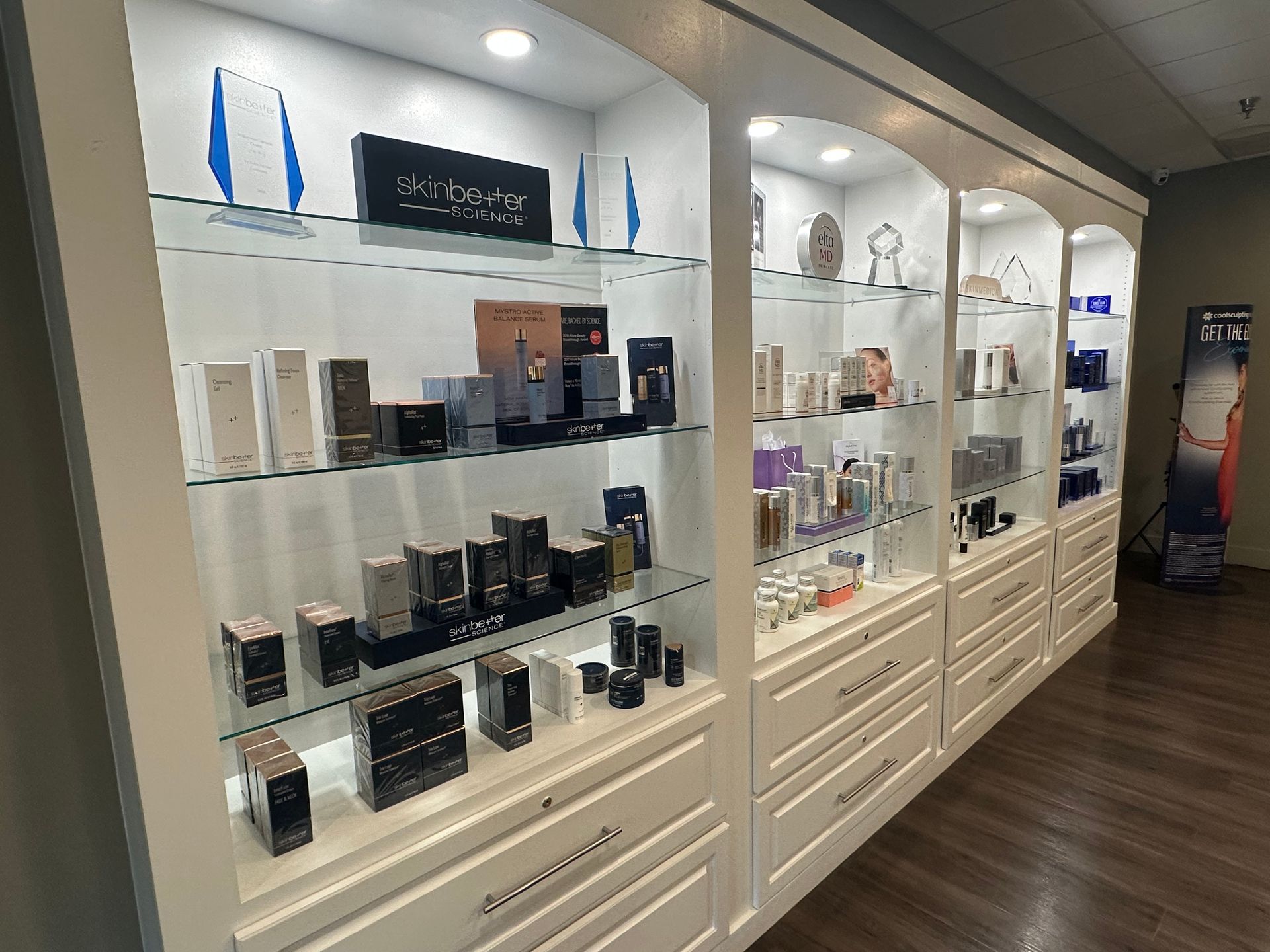
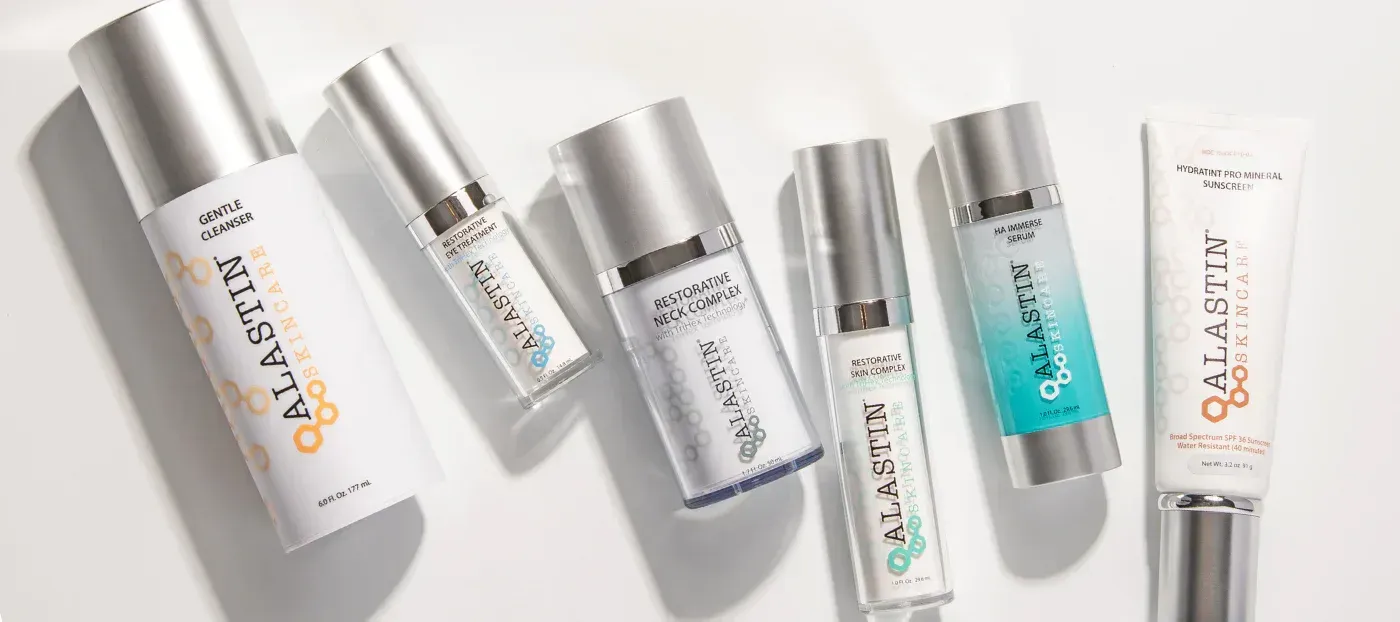
In-office treatments like microneedling, chemical peels, and advanced skin rejuvenation are designed to create change at a deeper level. They stimulate collagen, improve texture, and target concerns like pigmentation, acne, and aging. But what you do at home every single day is what protects and enhances those results. Medical-grade skincare is formulated with higher concentrations of active ingredients and is designed to penetrate the skin more effectively than over-the-counter products. That means you’re not just maintaining your results—you’re actively improving them between visits.


Why Medical-Grade Makes a Difference


Not all skincare is created equal. Medical-grade products are backed by clinical research and tailored to treat specific skin concerns at a corrective level—not just a surface level. When I build a treatment plan for a patient, I’m not just thinking about what happens in the treatment room. I’m thinking about:

  • How we prep the skin beforehand
  • How we accelerate healing afterward
  • How we maintain and build on results long-term


This is where medical-grade skincare becomes essential.


The Power of Combination


The best results I see in my patients always come from a combination approach—customized treatments paired with a consistent, targeted skincare routine. This allows us to:

  • Maximize results from each treatment
  • Improve skin health over time
  • Prevent future concerns before they start


No two patients are the same, which is why I love having access to so many advanced technologies and professional skincare options. It allows me to truly customize each plan and treat the skin from every angle.


My Approach


My goal is always to create natural, long-lasting results that make you feel confident in your skin. That doesn’t happen overnight—and it doesn’t happen with treatments alone. It happens with a plan. When we combine in-office treatments with the right medical-grade skincare, we’re not just treating the skin—we’re transforming it.

Williamson Cosmetic Center Blog

August 26, 2026
Choosing between breast augmentation and a breast lift often comes down to one question: do you want to change breast volume, breast position, or both? While the procedures are sometimes discussed together, they address different concerns. At Williamson Cosmetic Center, patients considering breast surgery in Baton Rouge can explore options based on their anatomy, breast shape, skin quality, and personal goals. In some cases, breast augmentation may provide the desired change. In others, a breast lift or a breast lift with implants may create a more appropriate result. Breast Lift vs Breast Augmentation: What Is the Difference? Breast augmentation primarily increases or restores breast volume, while a breast lift reshapes and raises breasts that have developed sagging or a lower position on the chest. Breast augmentation typically uses implants to create more fullness, increase breast size, or restore volume that has changed after pregnancy, breastfeeding, aging, or weight loss. A breast lift focuses instead on repositioning existing breast tissue, removing excess skin, and improving breast shape. Therefore, the better option depends on what you would like to change rather than which procedure is considered more extensive. How Does a Breast Lift Work? A breast lift reshapes and elevates existing breast tissue while removing excess skin to create a firmer, higher breast position. During breast lift surgery, the breast tissue is repositioned, and the nipple and areola may also be moved to a more natural position. The incision pattern depends on the degree of sagging, skin elasticity, breast size, and amount of reshaping required. Importantly, a breast lift does not automatically require implants. Patients who are satisfied with their breast volume but want to improve position and shape may be candidates for a lift alone. When Is Breast Augmentation a Better Choice? Breast augmentation may be a better option when the primary concern is loss of volume or a desire for larger, fuller breasts. For example, some patients notice that their breasts appear smaller or less full after pregnancy, breastfeeding, weight loss, or aging. Others may naturally have less breast volume and want increased size or greater upper breast fullness. However, breast implants alone generally do not correct significant breast sagging. When both volume loss and lower breast positioning are present, combining procedures may be considered. When Is a Breast Lift a Better Choice? A breast lift may be more appropriate when the primary concern is sagging, stretched skin, or a lower breast position rather than breast size. Changes in breast position can occur gradually with aging or following pregnancy, breastfeeding, or major weight changes. The nipples may begin to point downward, breast tissue may sit lower on the chest, and the skin may lose some of its previous firmness. In these situations, breast lift surgery can reshape and reposition the breasts without necessarily increasing their size. Breast Lift vs Implants: Which Procedure Matches Your Goals?
Williamson Cosmetic Center & Perenack Aesthetic Surgery
By Shelly Williamson Esnard August 1, 2026
Learn how a liquid facelift with dermal filler can restore facial volume, enhance contours, and create natural looking rejuvenation without surgery.
The Evolution of Brows & Semi-Permanent Makeup - Williamson Cosmetic Center
By Amanda Hoffman August 1, 2026
The Evolution of Brows & Semi-Permanent Makeup: A Modern Approach to Natural Beauty - Williamson Cosmetic Center