



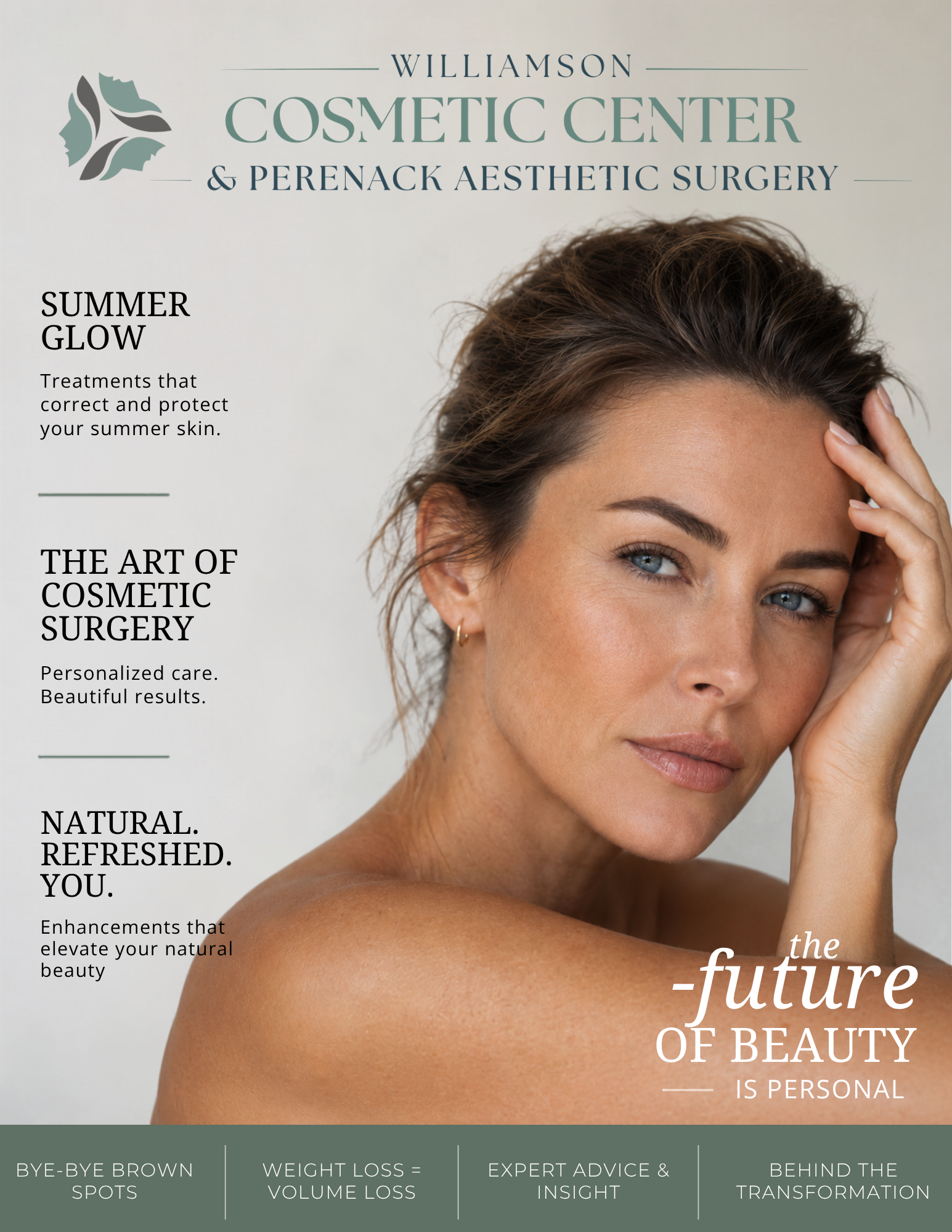
Transforming your body? Let’s preserve your face

WCC • May 1, 2026

Schedule a consultation and let us create a customized face and body preservation plan to support your weight-loss journey — beautifully and naturally.

The pursuit of wellness is one of the most sophisticated investments you can make in yourself. Today, advanced medical weight-loss solutions, including GLP-1 therapies, are allowing patients to achieve profound, life-enhancing transformations. Yet, true aesthetic harmony requires looking beyond the scale.


While the reduction of bodily fat is the goal of these treatments, the unintended consequence is often the rapid depletion of the essential facial fat pads that provide youth, contour, and vitality. At Williamson Cosmetic Center & Perenack Aesthetic Surgery, we provide the vital aesthetic complement to your medical weight-loss protocol. We do not manage your weight-loss medications; instead, we serve as your premier aesthetic curators, ensuring your facial and bodily aesthetics are preserved and elevated throughout your transformation.


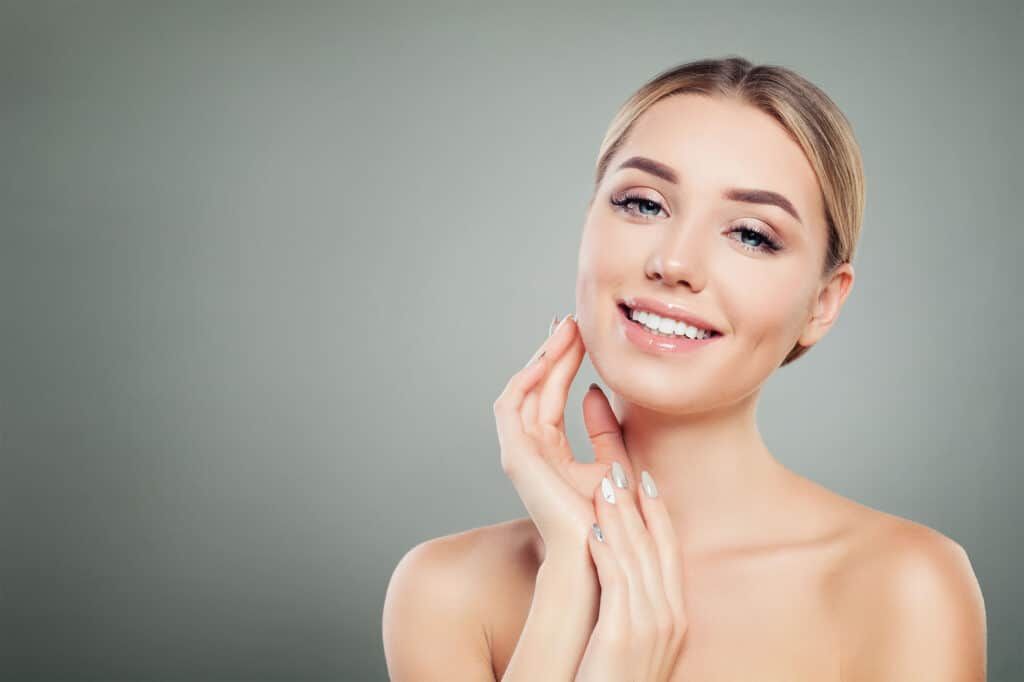
The Architecture of Facial Aging and Weight Loss Youthful beauty is largely defined by volume. High, rounded cheeks, a smooth under-eye transition, and a sharply defined jawline are all supported by underlying fat. When rapid weight loss occurs, this delicate architecture is compromised.


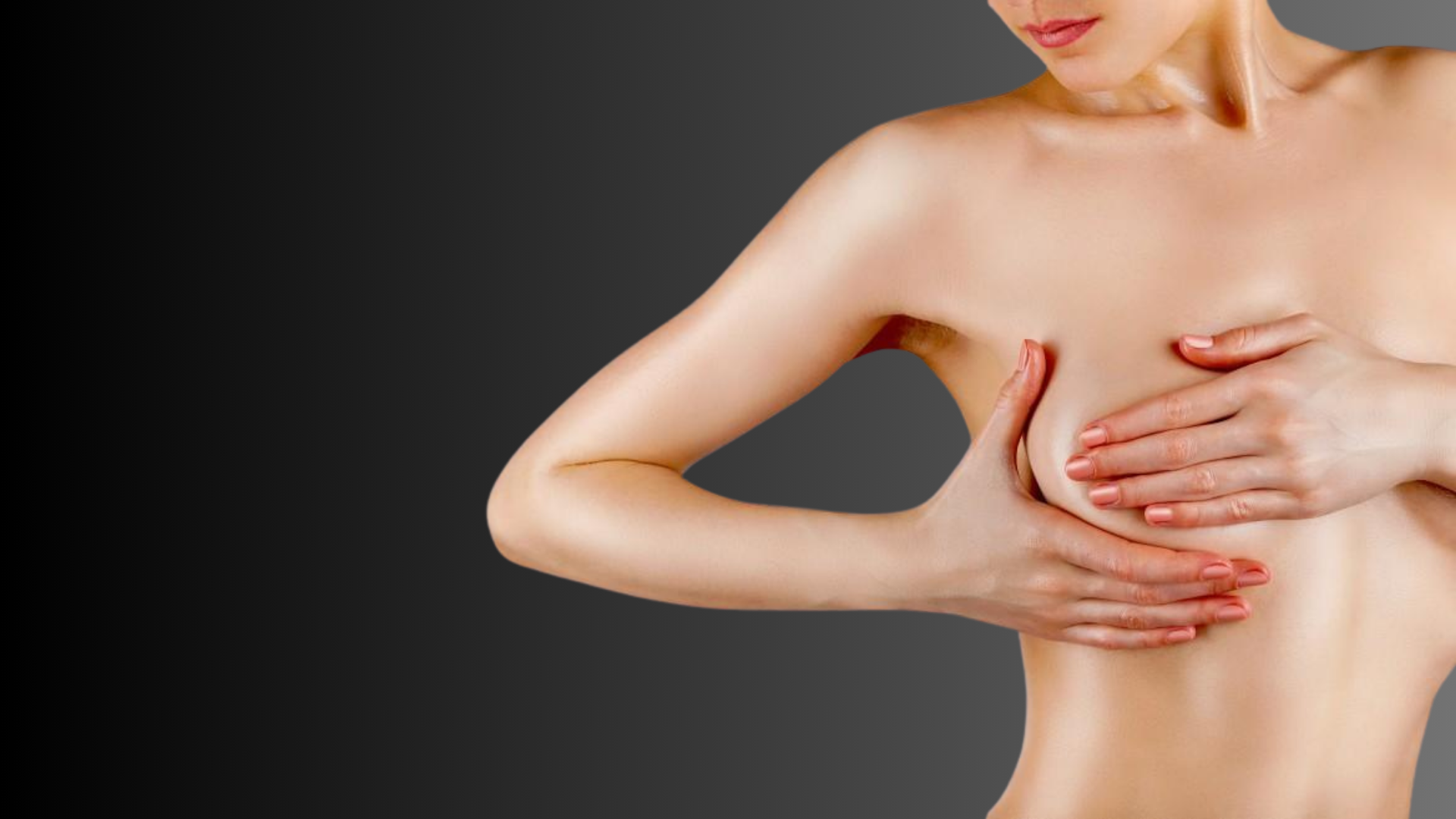
The aesthetic manifestation is often a premature aging effect: a hollowing of the midface, deepening of the nasolabial folds, and the emergence of jowls as the skin loses its underlying support structure. On the body, the sudden reduction in volume can outpace the skin’s natural elasticity, resulting in laxity that obscures your newly refined physique.


The Art of Aesthetic Preservation True luxury in aesthetics is not about correction; it is about prevention and seamless integration. We advise our patients to begin their aesthetic preservation plan concurrent with their weight-loss regimen. This allows us to work with your body’s changing dynamics, rather than playing catch-up months later.


  • Bespoke Volume Restoration: Our approach to facial preservation is subtle and refined. We utilize premium biostimulatory agents and advanced dermal fillers to replace structural support as it is lost. The goal is never to look "done," but to maintain a rested, youthful, and naturally contoured appearance.
  • Advanced Tissue Tightening: To encourage optimal skin retraction, we employ best-in-class energy modalities. By stimulating deep neocollagenesis (the creation of new collagen) through radiofrequency and ultrasound technologies, we help the skin on the face, neck, and body adapt beautifully to your changing silhouette.
  • The Surgical Continuum: As a comprehensive center encompassing both cosmetic dermatology and elite plastic surgery under Dr. Perenack, we offer a complete continuum of care. Should your dramatic weight loss require surgical excision of excess skin later in your journey, you are already in the hands of experts who intimately understand your aesthetic goals.


A Curated Journey to Your Best Self Your physical transformation should be a source of uncompromised confidence. By anticipating the physiological changes of weight loss, we can safeguard your radiance.


Allow us to design a tailored, elegant preservation strategy that evolves alongside you. Contact Williamson Cosmetic Center & Perenack Aesthetic Surgery to arrange your private consultation, and let us ensure your transformation is beautiful, natural, and completely customized to you.

July 30, 2026
There is a moment when small changes in the mirror become more noticeable. The jawline looks softer, early jowls begin to appear, and the lower face may not reflect how refreshed or confident you feel inside. For many patients, this is when the question becomes less about age and more about timing. At Williamson Cosmetic Center in Baton Rouge, Dr. Jon Perenack helps patients explore whether a mini facelift or a more comprehensive facial rejuvenation approach is the right next step for their goals. A mini facelift is often considered when mild lower face sagging, softening along the jawline, or early jowling begins to appear. However, the best age for a mini facelift depends less on a specific number and more on facial anatomy, skin quality, aging patterns, and the type of result you want to achieve. This blog will explore when a mini facelift may make sense, how it compares to a full facelift, and what patients can expect in terms of recovery and cost. Is There an Ideal Age for a Mini Facelift? There is no single ideal age for a mini facelift, but many patients consider it in their 40s to early 60s, when early lower face aging becomes more noticeable. During this stage, concerns such as mild sagging, early jowls, and less definition along the jawline may begin to appear. However, the right time depends on more than age. Skin quality, facial anatomy, the degree of laxity, and whether changes extend into the neck all help determine whether a mini facelift is appropriate. Some patients may benefit from a more focused procedure, while others may achieve a better outcome with a more comprehensive facelift approach. What Is a Mini Facelift? A mini facelift is a surgical procedure that focuses on early to moderate signs of aging in the lower face. It is commonly used to improve mild jowling, soft sagging around the jawline, and early facial laxity. Compared with a more extensive facelift, a mini facelift is typically designed for patients who need a more focused correction. It does not address every sign of facial aging, but it can create a refreshed, more defined lower face when performed on the right candidate.
July 29, 2026
The choice between a tummy tuck and liposuction depends on whether your main concern is excess fat, loose skin, weakened abdominal muscles, or a combination of these issues. Liposuction removes localized fat, while tummy tuck surgery removes excess abdominal skin and may repair separated muscles. At Williamson Cosmetic Center in Baton Rouge, Dr. Emile Picarella evaluates each patient’s skin quality, fat distribution, abdominal structure, and cosmetic goals before recommending surgery. As a Diplomate of both the American Board of Cosmetic Surgery in Facial Cosmetic Surgery and the American Board of Oral and Maxillofacial Surgery, Dr. Picarella helps patients understand which body contouring option is most appropriate. What Is Liposuction? Liposuction is a fat removal surgery designed to reduce localized fat deposits that remain despite healthy eating and regular exercise. During the procedure, a cosmetic surgeon inserts a thin instrument through small incisions to remove targeted fat and improve body contours. Depending on the patient’s concerns, treatment may include: Stomach liposuction for stubborn abdominal fullness Thigh liposuction for the inner or outer thighs Back liposuction for fullness along the upper or lower back Liposuction of the waist or flanks for greater contour definition However, liposuction does not remove a significant amount of loose skin or repair separated abdominal muscles. Therefore, patients with stretched skin may need a different surgical approach. What Does a Tummy Tuck Address? A tummy tuck , also known as abdominoplasty, removes excess skin from the abdomen and can tighten weakened or separated abdominal muscles. It is often considered after pregnancy, major weight loss, or changes that leave the lower abdomen loose or stretched. Unlike liposuction, tummy tuck surgery can address both the abdominal skin and the underlying muscle structure. As a result, tummy tuck results may include a flatter abdominal profile, improved lower abdominal firmness, and a better-defined waistline. Although a tummy tuck may remove some fat with the excess tissue, it is not intended as a weight loss procedure. Patients should generally be close to a healthy, stable weight before surgery. How Do Liposuction vs Tummy Tuck Compare? The primary difference between liposuction vs tummy tuck surgery is the type of concern each procedure addresses. 
July 29, 2026
A deep plane facelift can help restore definition through the lower face, jawline, and neck while supporting natural-looking facial balance. For patients who feel that jowls, facial heaviness, loose neck skin, or deeper folds are changing their appearance, deep plane facelift surgery may offer a more lasting option than non-surgical treatments alone. At Williamson Cosmetic Center, Dr. Jon Perenack is an internationally recognized facial cosmetic surgeon whose practice is devoted to facial cosmetic surgery and hair restoration surgery. His approach centers on meeting with each patient individually, understanding their goals, and recommending a facial rejuvenation plan based on their anatomy rather than a one-size-fits-all procedure. Understanding how a deep plane facelift works, who may benefit, and what recovery involves can help patients make a more informed decision before considering facelift surgery. What is a Deep Plane Face and Neck Lift? A deep plane face and neck lift is an advanced facelift approach that repositions deeper facial tissues rather than focusing only on tightening the skin. By addressing the structural layers beneath the skin, this technique can help improve lower facial descent while supporting a more natural transition through the cheeks, jawline, and neck. A deep plane facelift may help improve concerns such as: Jowls and lower facial heaviness Loss of jawline definition Deep folds around the mouth Sagging through the lower cheeks Loose skin or visible banding in the neck Fullness beneath the chin, when combined with neck contouring Although deep plane facelift surgery is often discussed alongside neck lift surgery, not every patient needs the same combination of procedures. Therefore, treatment planning should be based on the face and neck as a whole. How is a Deep Plane Facelift Different From a Traditional Facelift?  A traditional facelift and a deep plane facelift both address visible signs of facial aging, yet they work differently beneath the skin. A traditional facelift often focuses on lifting and tightening the skin and underlying facial layers. In contrast, a deep plane facelift involves releasing and repositioning deeper tissues that have descended over time. As a result, a deep plane lower facelift may be especially helpful for patients with more noticeable jowling, lower facial heaviness, or loss of jawline contour. However, deep plane facelift surgery is not automatically the best choice for every patient. The right facelift approach depends on several factors, including: The degree of skin laxity The location of facial volume loss or descent Jawline and neck changes Skin thickness and quality Previous facial procedures Whether the patient would benefit from additional surgery