




Reclaiming Your Confidence: A Guide to Modern Hair Restoration Solutions
Hair loss is a deeply personal experience, often affecting more than just appearance—it can impact confidence, self-esteem, and how we feel about aging. Fortunately, the field of aesthetic medicine has advanced dramatically, offering a comprehensive array of effective and natural-looking hair restoration solutions. If you’ve been considering addressing hair thinning or balding, now is the perfect time to explore your options. Here is a look at the most prominent and effective methods available today.
1. Surgical Hair Transplantation: The Gold Standard
Hair transplant surgery has evolved from dated, unnatural-looking plugs into sophisticated, minimally invasive procedures that yield virtually undetectable results. The goal of modern transplantation is to redistribute healthy, permanent hair follicles from a donor area (usually the back or sides of the scalp) to the recipient area.
The two primary surgical techniques are:
- Follicular Unit Extraction (FUE): This is the most popular method today. Individual hair follicles are harvested directly from the scalp using a micro-punch tool. Since it doesn't require a linear incision, it results in tiny, dot-like scars that are almost invisible, allowing patients to wear their hair short.
- Follicular Unit Transplantation (FUT or "Strip Method"): This technique involves surgically removing a small strip of tissue from the donor area. Follicles are then separated and transplanted. While it leaves a linear scar (which can be easily covered by longer hair), it can often yield a high number of grafts in a single session.
Both methods are performed under local anesthesia and, when executed by an experienced surgeon, can produce natural density and a seamless hairline.
2. Non-Surgical Therapies: Boosting Existing Growth
Not all hair restoration requires surgery. For those with early-stage thinning or who are looking to supplement surgical results, non-surgical therapies can be highly effective:
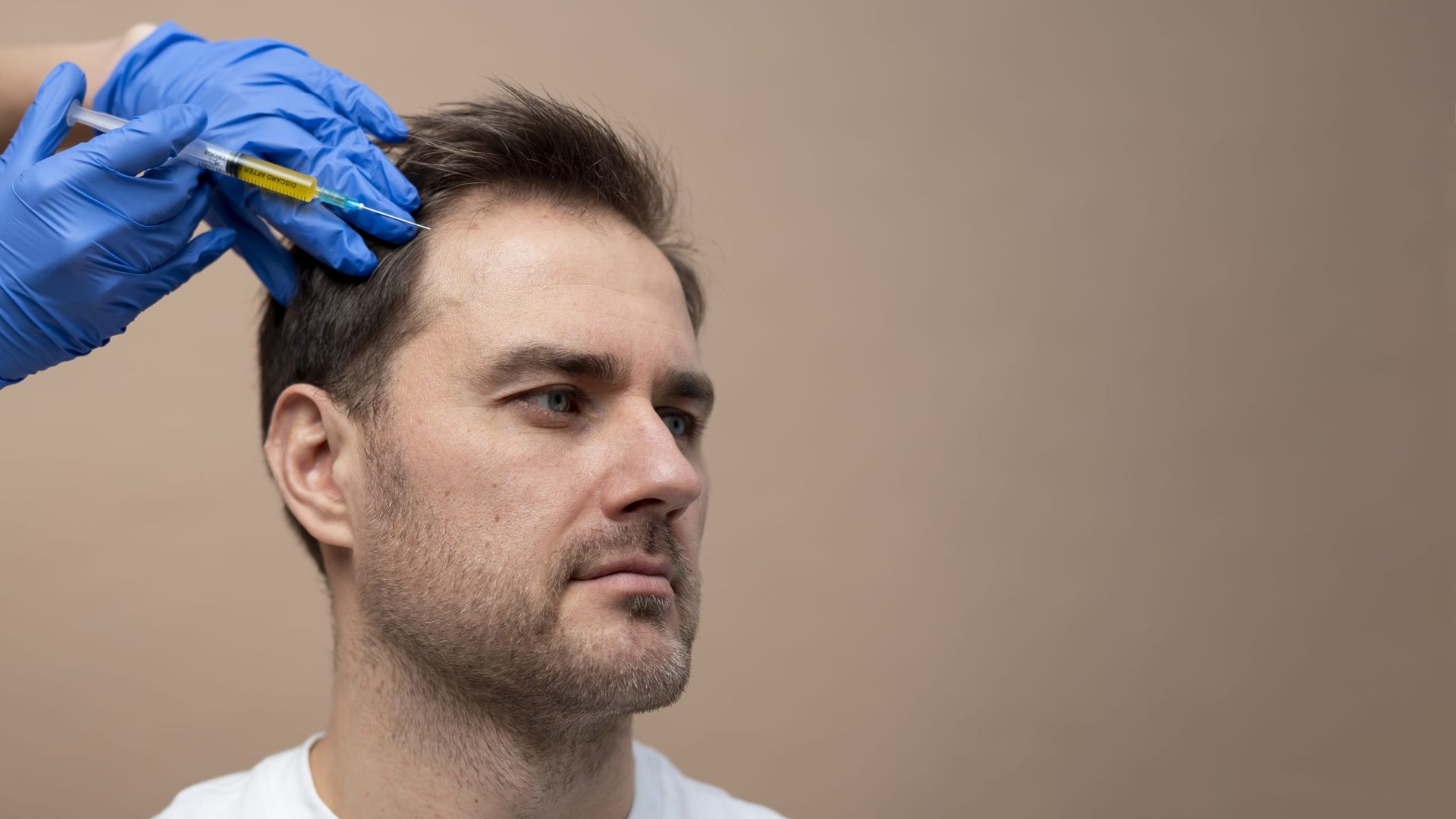
- Platelet-Rich Plasma (PRP) Therapy: PRP is an injectable therapy that utilizes the body’s own growth factors. A small sample of the patient’s blood is drawn and spun in a centrifuge to isolate the plasma, which is highly concentrated with platelets. This plasma is then strategically injected into the scalp to stimulate dormant hair follicles, increase blood supply, and prolong the growing phase of the hair cycle.
- Topical Treatments and Oral Medications: Medications like Minoxidil and Finasteride remain clinically proven options for slowing hair loss and encouraging new growth, forming the foundational maintenance regimen for many patients.
- Vitamin Regimens: Specific vitamins and supplements, when combined with other treatments, can help support overall hair health from the inside out.
Choosing the Right Path Forward for Hair Transplant Surgery
The best hair restoration plan is always a customized one. Hair loss is unique to every individual, requiring a comprehensive assessment of the cause, hair type, degree of loss, and overall goals.
When seeking a permanent solution, it is essential to choose a highly accredited facility with a dedicated cosmetic surgeon and staff who specialize in hair restoration. For example, Williamson Cosmetic Center & Perenack Aesthetic Surgery offers a full range of advanced solutions to meet diverse patient needs. Their services include Hair Transplant Surgery utilizing techniques like the latest Neograft Follicular Unit Extraction (FUE) and Strip Method Follicular Unit Transplantation (FUT), along with non-surgical treatments like Injectable therapies (PRP), topical treatments, and custom vitamin regimens.
If you are ready to explore a future with a fuller, more youthful head of hair, consulting with experts at a specialized center can help you determine the optimal strategy for your personal journey.
To learn more about hair restoration and other cosmetic and aesthetic services, you can visit Williamson Cosmetic Center & Perenack Aesthetic Surgery at https://www.williamsoncosmeticcenter.com/locations.
Williamson Cosmetic Center Blog