



Rhinoplasty in Baton Rouge, LA
Rhinoplasty with Dr. Jon Perenack at Williamson Cosmetic Center can improve the shape, proportion, symmetry, and function of the nose through a surgical plan created around each patient’s facial anatomy and goals.
What is Rhinoplasty?
Rhinoplasty is a surgical procedure that reshapes the bone, cartilage, nasal tip, nostrils, or internal structures of the nose. It may be performed to improve appearance, address breathing problems, correct changes caused by an injury, or combine cosmetic and functional goals within one procedure.
Because the nose is positioned at the center of the face, even a subtle change can influence overall facial balance. Dr. Jon Perenack carefully evaluates how the nose relates to the forehead, cheeks, lips, chin, and jawline before recommending a rhinoplasty procedure.
Rather than following a standard surgical plan, he considers the patient’s existing nasal structure, skin thickness, breathing function, facial proportions, and desired degree of change.
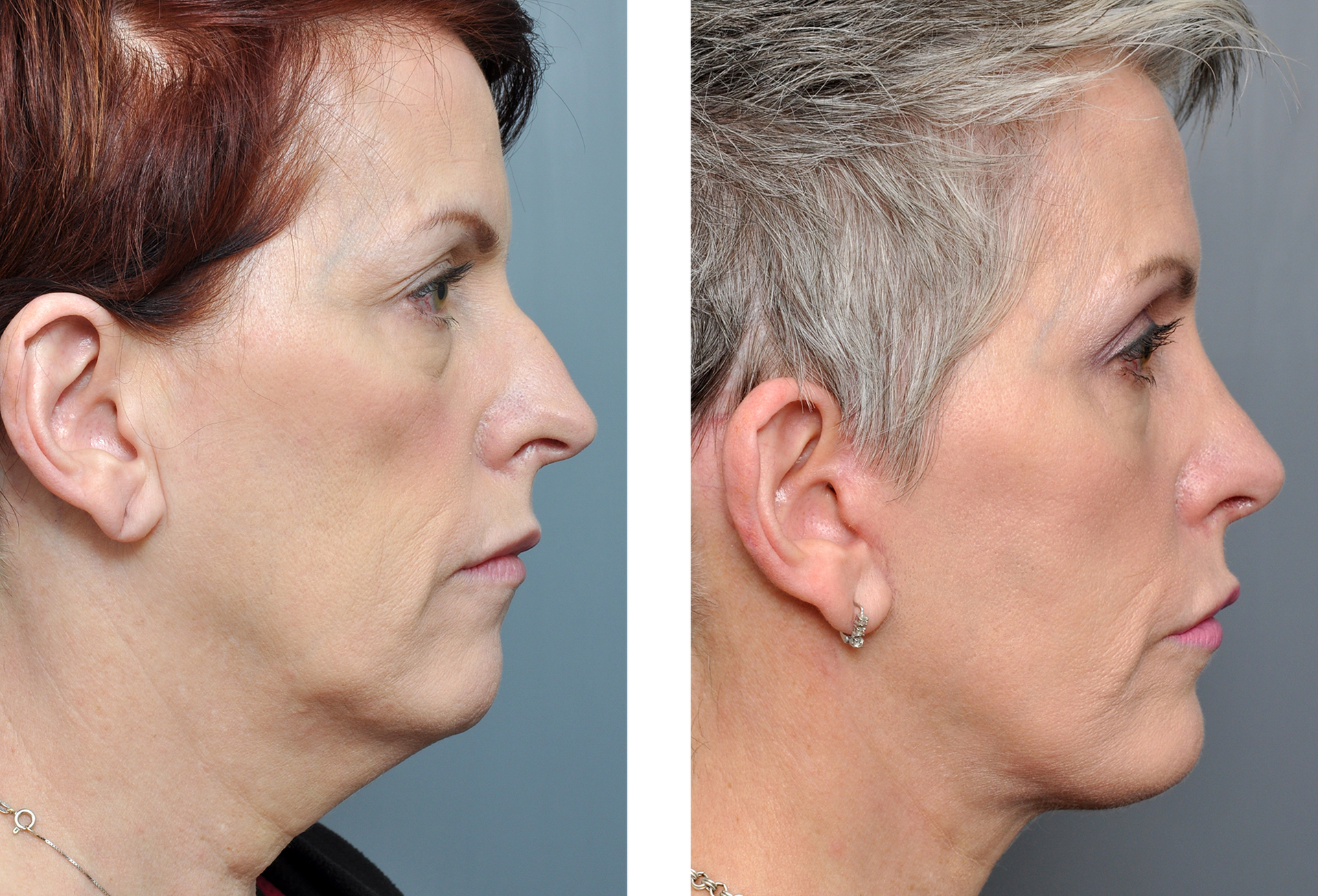
Rhinoplasty Before and After Photos
What Concerns Can Rhinoplasty Correct?
Rhinoplasty surgery can address concerns involving the nasal bridge, tip, nostrils, symmetry, projection, and internal nasal support. The exact changes depend on the patient’s anatomy and what can be achieved safely while preserving function.
Dorsal Hump
A dorsal hump is a visible bump along the bridge of the nose. Rhinoplasty can reduce or reshape the hump to create a straighter or more balanced profile.
Crooked or Asymmetrical Nose
A nose may appear crooked because of natural development, a previous injury, uneven nasal bones, or changes within the septum. Rhinoplasty may improve alignment while addressing related breathing concerns when necessary.
Bulbous or Wide Nasal Tip
A bulbous tip can appear rounded, wide, or less defined because of the shape and position of the underlying cartilage. Nasal tip refinement can improve definition while maintaining natural support.
Drooping Nasal Tip
A nasal tip may point downward naturally or become more noticeable when smiling. Rhinoplasty can adjust tip position, projection, and support to create better balance with the rest of the nose.
Wide Nasal Bridge
The nasal bones may be reshaped to reduce excessive width or improve how the bridge relates to the eyes, cheeks, and other facial features.
Large or Uneven Nostrils
When appropriate, rhinoplasty may adjust nostril size, shape, or symmetry. Incision placement and the amount of correction are determined carefully to maintain a natural appearance.
Breathing Problems
Structural concerns such as a deviated septum, narrowed nasal passages, nasal valve weakness, or trauma-related changes may interfere with airflow. Functional correction can sometimes be incorporated into rhinoplasty surgery.
What Is Ultrasonic Rhinoplasty?
Ultrasonic rhinoplasty is a surgical approach that uses specialized ultrasonic instruments to reshape the nasal bone with a high level of control. The technology is designed to target the bone while limiting unnecessary disruption to nearby soft tissue.
This approach may be considered when a rhinoplasty procedure involves refining the nasal bridge, reducing a dorsal hump, or repositioning nasal bones. However, not every patient requires ultrasound rhinoplasty, and the most appropriate method depends on the changes being made.
During a consultation, Dr. Jon Perenack evaluates the nasal framework and explains which surgical techniques may be best suited to the patient’s anatomy and desired result.
How Is the Rhinoplasty Procedure Performed?
Rhinoplasty is performed through carefully positioned incisions that allow the surgeon to reshape nasal bone, cartilage, internal structures, or the nasal tip. The procedure may use an open or closed approach depending on the complexity of the correction.
Open Rhinoplasty
Open rhinoplasty involves internal incisions and a small incision across the tissue between the nostrils. This approach provides greater visibility of the nasal framework and may be recommended when detailed structural work is required.
Closed Rhinoplasty
Closed rhinoplasty uses incisions placed inside the nose. It may be appropriate for selected patients who require more limited changes to the nasal bridge, tip, or internal structures.
Personalized Surgical Planning
Dr. Jon Perenack selects the surgical approach after considering:
- The shape and strength of the nasal cartilage
- The width and position of the nasal bones
- Nasal tip projection and rotation
- Skin thickness
- Facial proportions
- Breathing function
- Previous nasal injuries or surgery
- The patient’s preferred degree of change
The goal is to create an outcome that fits the patient’s face rather than producing a nose that appears disconnected from the surrounding features.
Can Rhinoplasty Improve Breathing and Appearance?
Yes. Rhinoplasty can improve appearance while also addressing structural concerns that interfere with nasal breathing. Cosmetic and functional corrections may be completed during the same surgery when the patient has both types of concerns.
Breathing problems may be connected to a deviated septum, narrow nasal passages, weak nasal valves, previous trauma, or insufficient structural support. A careful evaluation helps determine whether functional correction should be included in the surgical plan.
When appearance and airflow are addressed together, Dr. Jon Perenack plans the procedure with attention to both nasal shape and long-term structural stability.
What Results Can Rhinoplasty Create?
Rhinoplasty can create greater harmony between the nose and the surrounding facial features. Depending on the patient’s needs, the procedure may improve the profile, bridge, tip, nostrils, projection, symmetry, or overall nasal proportions.
Potential improvements may include:
- A straighter nasal bridge
- Reduced prominence of a dorsal hump
- Greater nasal tip definition
- Improved tip position or projection
- Better nostril symmetry
- Improved alignment of a crooked nose
- More balanced facial proportions
- Better airflow when structural concerns are corrected
Results vary based on nasal anatomy, skin thickness, healing, and the degree of correction. Reviewing before and after photographs can help patients understand the range of outcomes Dr. Jon Perenack has created for different nasal structures.
What Is Rhinoplasty Recovery Like?
Rhinoplasty recovery usually involves swelling, bruising, nasal congestion, and mild discomfort during the first stage of healing. Many patients can return to work and routine activities within one to two weeks, although the nose continues to heal and refine for several months.
The First Week
A nasal splint may be placed to protect the nose during early healing. Swelling and bruising are often most noticeable during the first several days, particularly around the nose and eyes.
Patients are generally instructed to sleep with the head elevated, avoid bending forward, and follow all medication and incision care instructions.
Returning to Work and Daily Activities
Many patients feel comfortable returning to non-strenuous work and social activities after approximately one to two weeks. Bruising often improves significantly during this period, although some swelling may remain visible.
Exercise, heavy lifting, and activities that increase blood pressure are restricted temporarily. Patients must also avoid pressure, impact, or accidental contact with the nose.
Long-Term Healing
Most swelling improves steadily during the first few months. However, subtle swelling may remain around the nasal tip longer than it does along the bridge.
Dr. Jon Perenack monitors healing during follow-up appointments and provides guidance about exercise, glasses, sun exposure, and other activities throughout rhinoplasty recovery.
When Will Rhinoplasty Results Be Visible?
An initial change is usually visible after the splint is removed, but the nose remains swollen during early healing. The shape gradually becomes more refined as swelling decreases and the tissues settle.
A general nose job recovery timeline may include:
- First week: Swelling, congestion, bruising, and splint use
- One to two weeks: Return to many work and social activities
- One to three months: Noticeable improvement in swelling and definition
- Six to twelve months: Continued refinement of the nasal tip and overall shape
Some patients may need longer than one year for the final result to fully develop, particularly when extensive nasal tip work or revision surgery has been performed.
Why Choose Dr. Jon Perenack for Rhinoplasty in Baton Rouge?
Dr. Jon Perenack is an internationally recognized facial cosmetic surgeon in Baton Rouge with advanced training in facial anatomy, surgical planning, and structural facial procedures. His focused understanding of facial proportions allows him to evaluate the nose as part of the entire face rather than as an isolated feature.
He is a Diplomate of the American Board of Cosmetic Surgery in Facial Cosmetic Surgery and a Diplomate of the American Board of Oral and Maxillofacial Surgery.
His approach to rhinoplasty centers on detailed evaluation, precise surgical planning, and results intended to complement each patient’s existing features. Patients receive recommendations based on their nasal structure, breathing function, skin thickness, facial balance, and personal goals.
At Williamson Cosmetic Center, the rhinoplasty process is designed to help patients understand their options and make informed decisions about surgery.
What Happens During a Rhinoplasty Consultation?
A rhinoplasty consultation gives patients the opportunity to discuss what they would like to change and learn which surgical approach may be appropriate.
During the consultation, Dr. Jon Perenack may:
- Review cosmetic and breathing concerns
- Discuss previous injuries or nasal surgery
- Examine the nasal bridge, tip, nostrils, and septum
- Evaluate skin thickness and cartilage strength
- Assess the relationship between the nose and other facial features
- Explain potential surgical techniques
- Discuss recovery, limitations, and expected results
- Create an individualized nose job procedure plan
Patients should be prepared to discuss both the features they would like to improve and the type of result they hope to achieve.
Rhinoplasty FAQ
How Much Does Rhinoplasty Cost in Baton Rouge?
The cost of rhinoplasty in Baton Rouge depends on the complexity of the procedure, the surgical techniques required, anesthesia, facility fees, and whether functional correction is included. Revision rhinoplasty may cost more because previous surgery can create additional structural and scar tissue concerns. An in-person consultation is necessary to provide an individualized estimate based on the surgical plan.
How Do I Choose the Best Rhinoplasty Surgeon in Baton Rouge?
Choose a rhinoplasty surgeon with advanced facial surgery training, strong knowledge of nasal function, and extensive experience evaluating facial proportions. Review the surgeon’s credentials, before and after photographs, consultation approach, and ability to explain both the benefits and limitations of surgery. Patients should also feel confident that the surgeon understands their goals and creates an individualized plan rather than using the same approach for every nose.
How Long Does Rhinoplasty Recovery Take?
Many patients return to work and routine activities within one to two weeks after rhinoplasty. Bruising and noticeable swelling improve during the first several weeks, while subtle swelling may continue for several months. Exercise and activities that could place pressure on the nose remain restricted until the surgeon confirms that healing is progressing safely.
When Will I See My Final Rhinoplasty Results?
Early improvements become visible after the nasal splint is removed, but the nose remains swollen during the initial recovery period. Most of the swelling decreases during the first several months. Final definition, especially around the nasal tip, may take one year or longer to develop.
Can Rhinoplasty Improve Breathing Problems?
Rhinoplasty can improve breathing when airflow is affected by structural concerns such as a deviated septum, weak nasal valves, narrowed passages, or previous trauma. Functional correction may be combined with cosmetic reshaping during the same procedure. A nasal examination is needed to determine the source of the obstruction and whether surgery may help.
What Is the Difference Between Rhinoplasty and Septoplasty?
Rhinoplasty reshapes the external appearance or structural support of the nose, while septoplasty focuses on straightening or repositioning the internal septum. Rhinoplasty may be cosmetic, functional, or both. The procedures can be combined when a patient wants to improve nasal appearance while also correcting a deviated septum or related breathing concern.
Does Rhinoplasty Leave Visible Scars?
Closed rhinoplasty uses incisions placed inside the nose, so there is no external incision. Open rhinoplasty includes a small incision across the tissue between the nostrils. This incision typically becomes less noticeable as it heals and is positioned in an area that is not easily seen during normal conversation.
Can Rhinoplasty Correct a Dorsal Hump, Crooked Nose, or Bulbous Tip?
Rhinoplasty can reduce a dorsal hump, improve the alignment of a crooked nose, and refine a bulbous or wide nasal tip. These concerns may require changes to the nasal bones, cartilage, septum, or supporting structures. The exact surgical plan depends on the patient’s anatomy, skin thickness, breathing function, and desired degree of correction.
Explore Rhinoplasty With Dr. Jon Perenack
Rhinoplasty can improve nasal shape, facial balance, and breathing function through a surgical plan based on the patient’s individual anatomy. The most appropriate approach depends on the nasal structures involved, the degree of correction needed, and the patient’s long-term goals.
Dr. Jon Perenack provides personalized rhinoplasty consultations at Williamson Cosmetic Center in Baton Rouge. Williamson Cosmetic Center also has convenient locations in Lake Charles and Gonzales for patients throughout Louisiana.
Schedule a consultation to explore your options, understand the rhinoplasty procedure, and learn which surgical approach may best support your cosmetic and functional goals.