







Liposuction in Baton Rouge, LA
Liposuction removes stubborn fat from areas such as the abdomen, thighs, waist, back, legs, and beneath the chin to create more balanced body contours. At Williamson Cosmetic Center in Baton Rouge, our surgeons develop each surgical plan around the patient’s anatomy, skin quality, and goals.
What Is Liposuction?
Liposuction is a surgical procedure that removes localized fat through small incisions using a narrow instrument called a cannula. It is designed to reshape specific areas of the face or body when unwanted fat remains despite diet, exercise, and healthy lifestyle habits.
Although liposuction can create a slimmer and more proportionate contour, it is not a treatment for obesity or a substitute for weight loss. The best results are generally seen in patients who are near a stable weight and have specific areas of fullness they would like to reduce.
Does Liposuction Work for Stubborn Fat?
Yes, liposuction works by physically removing fat cells from a targeted treatment area. It can be particularly effective for genetically influenced fat deposits that do not change substantially with weight loss.
However, the outcome depends on more than the amount of fat removed. Skin elasticity, muscle tone, body proportions, healing, and weight stability can all affect the final contour. During a consultation in Baton Rouge, our plastic surgeons evaluate these factors to determine whether liposuction is likely to address the patient’s concern.
What Areas Can Be Treated with Liposuction?
Liposuction can be used on several areas of the face and body where localized fat tends to collect. Common treatment areas include:
- Abdomen and waist
- Inner and outer thighs
- Hips and flanks
- Back and bra line
- Upper arms
- Knees and legs
- Chest
- Chin and neck
Multiple areas may sometimes be treated during the same liposuction procedure. However, the appropriate treatment plan depends on the amount of correction required, the patient’s health, and surgical safety.
Before and After Images
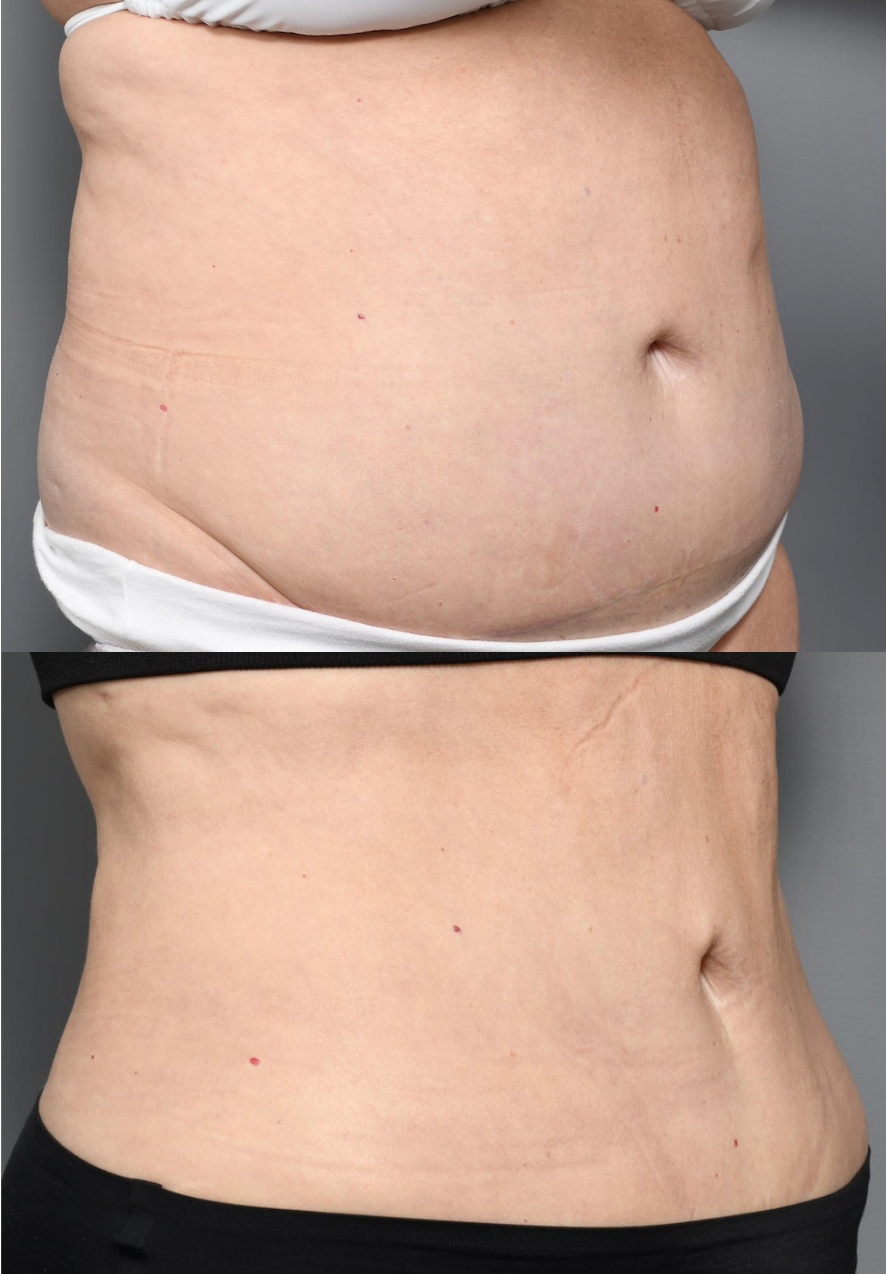
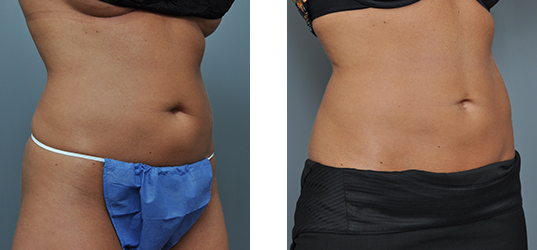
Can Liposuction Reduce Stomach Fat?
Liposuction of the stomach can reduce localized fat from the upper abdomen, lower abdomen, waist, and surrounding areas. Abdominal liposuction is often considered by patients who are close to their desired weight but continue to carry fullness through the midsection.
Liposuction stomach treatment does not remove a significant amount of loose skin or repair separated abdominal muscles. When excess skin, muscle separation, or substantial abdominal laxity is present, a tummy tuck may offer more complete correction. In some cases, liposuction and tummy tuck surgery may be combined.
What Can Thigh Liposuction Address?
Thigh liposuction can reduce localized fat along the inner thighs, outer thighs, or both. The procedure is planned carefully to improve proportion between the thighs, hips, knees, and lower body rather than focusing only on the amount of fat removed.
Patients considering thigh liposuction should also have their skin elasticity evaluated. When skin is significantly loose, fat removal alone may not create the desired contour.
What Are the Types of Liposuction?
Types of liposuction differ based on how the fat is prepared and removed. The specific technique selected depends on the treatment area, the amount and consistency of the fat, the patient’s anatomy, and the surgeon’s approach.
Traditional Liposuction
Traditional liposuction uses a narrow cannula and controlled suction to remove unwanted fat. The cannula is moved carefully beneath the skin to reshape the treatment area.
Tumescent Liposuction
Tumescent liposuction involves placing a specialized fluid into the treatment area before removing fat. This solution can help prepare the tissue, support patient comfort, and limit bleeding during surgery.
Energy-Assisted Liposuction
Certain types of liposuction use laser, ultrasound, or radiofrequency energy to help loosen fat before removal. Availability and suitability depend on the technology used by the practice and the patient’s individual needs.
During the consultation, our experienced plastic surgeons can explain the technique recommended for the treatment area and why it may be appropriate.
What Happens During the Liposuction Procedure?
During the liposuction procedure, anesthesia is administered according to the size and number of areas being treated. Then small incisions are created by inserting a thin cannula beneath the skin. Controlled movements loosen the targeted fat, which is removed through suction.
Once the planned contour has been created, the incisions are closed or dressed. A compression garment may be placed around the treatment area to reduce swelling and support the tissues during healing.
The length of surgery varies according to the areas treated and whether liposuction is combined with another procedure.
Who Is a Good Candidate for Liposuction?
A good candidate is generally healthy, close to a stable weight, and concerned about localized fat that has not responded to diet and exercise. Candidates should also understand that liposuction reshapes specific areas rather than producing major weight loss.
Patients may be suitable candidates when they:
- Have specific areas of unwanted fat
- Maintain a reasonably stable body weight
- Have adequate skin elasticity
- Are healthy enough for surgery
- Do not smoke or can stop as directed
- Have realistic expectations
- Are prepared to follow recovery instructions
A personal consultation is necessary because skin quality, anatomy, health history, and treatment goals can significantly influence the recommendation.
Should I Choose Abdominal Liposuction or a Tummy Tuck?
Abdominal liposuction is typically better suited for localized fat when the skin and abdominal muscles remain relatively firm. A tummy tuck is designed to remove loose skin and can also address separated or weakened abdominal muscles.
Liposuction may be appropriate when the primary concern is:
- Stubborn abdominal fat
- Fullness around the waist
- Fat along the flanks
- Good remaining skin elasticity
A tummy tuck may be more appropriate when the concern includes:
- Loose or hanging abdominal skin
- Muscle separation
- Significant laxity after pregnancy
- Skin changes following major weight loss
Some patients benefit from combining both procedures to address excess fat, skin, and muscle changes in one surgical plan.
What Is the Liposuction Recovery Time?
Liposuction recovery time varies according to the number of areas treated, the amount of fat removed, and whether another procedure was performed. Patients should expect swelling, bruising, soreness, tightness, and temporary firmness during the early stages of healing.
Many patients can resume light daily activities within several days. However, returning to work may take longer when the job involves lifting, prolonged standing, or physical activity. Exercise and more strenuous activities should only resume after clearance is provided.
General Liposuction Recovery Milestones
- First few days: Rest, soreness, swelling, bruising, and light walking
- First one to two weeks: Gradual return to nonstrenuous work and routine activities
- Following weeks: Continued improvement in swelling and tenderness
- Following months: Greater definition becomes visible as the tissues settle
Compression garments may be recommended to help manage swelling and support the treated area. Because recovery differs from person to person, patients receive instructions based on their specific procedure.
When Will Liposuction Results Become Visible?
Some improvements may be visible soon after surgery, but swelling can temporarily conceal the new contour. Results become clearer gradually as swelling decreases and the tissues settle.
The fat cells removed during liposuction do not grow back. However, remaining fat cells can enlarge when a patient gains weight. Maintaining a stable weight through balanced nutrition and regular physical activity can help preserve the result.
Aging, pregnancy, weight changes, and changes in skin elasticity may continue to affect the body over time.
Can Liposuction Be Combined with Other Procedures?
Yes, liposuction may be combined with another surgical procedure when doing so is appropriate for the patient’s health and goals. Common combinations may include:
- Tummy tuck surgery
- Facelift surgery
- Neck lift or structural neck lift
- Breast procedures
- Additional body contouring surgery
Combining procedures may create more comprehensive improvement, but it can also affect surgical time and recovery. Our plastic surgeons consider the extent of treatment and patient safety before recommending a combined plan.
Why Choose Williamson Cosmetic Center for Liposuction in Baton Rouge?
Williamson Cosmetic Center takes a personalized approach to liposuction, with each surgical plan based on the patient’s anatomy, fat distribution, skin quality, and body contouring goals. Rather than following a standard formula, the team considers how each treatment area relates to the patient’s overall proportions.
Patients also receive clear guidance on preparation, incision care, recovery, and maintaining their results. Dr. Picarella focuses exclusively on facial plastic surgery, while the broader Williamson Cosmetic Center team provides cosmetic care across its Baton Rouge, Gonzales, and Lake Charles locations.
Frequently Asked Questions About Liposuction
How Long Do I Really Need Off Work After Liposuction?
Many patients need several days to one or two weeks away from work, although the appropriate timeline depends on the treatment area and the physical demands of the job. Desk-based work may be resumed sooner than work involving lifting, bending, prolonged standing, or strenuous activity. Patients should arrange enough flexibility to recover without rushing back before Dr. Picarella provides clearance.
Will People Be Able to Tell That I Had Liposuction?
People may notice a change in body contour, but they may not know that liposuction was performed. Swelling decreases gradually, so results tend to develop rather than appear all at once. Small incisions are placed discreetly, when possible, although individual scar healing varies.
Will My Skin Look Loose After Stomach Liposuction?
Skin can appear loose after stomach liposuction when it lacks sufficient elasticity to contract around the new contour. Age, pregnancy, weight changes, genetics, and the amount of fat removed can influence how the skin responds. When significant loose skin is already present, a tummy tuck may be more appropriate than abdominal liposuction alone.
Does Liposuction Leave Scars?
Liposuction scars are usually small because the cannula is inserted through short incisions. However, every surgical incision creates a scar, and its final appearance depends on placement, skin type, genetics, sun exposure, and individual healing.
Dr. Picarella places incisions strategically whenever possible so they are less visible within natural creases or areas covered by clothing. Liposuction scars generally change and fade gradually, although they may remain pink, firm, or darker during the early healing stages.
Following incision care instructions and protecting healing scars from direct sun exposure can support a more favorable appearance.
How Much Does Liposuction Cost in Baton Rouge?
The cost of liposuction in Baton Rouge depends on the treatment areas, surgical complexity, anesthesia, facility expenses, and whether another procedure is included. A personalized quote can only be provided after an examination and surgical consultation. Patients should compare what is included in each estimate rather than considering the surgeon’s fee alone.
Can Fat Return Somewhere Else After Liposuction?
Fat does not automatically move to another body area after liposuction. However, weight gain can enlarge the fat cells that remain throughout the body, including in untreated areas. Maintaining a stable weight helps preserve the proportions created during surgery.
How Long Does Swelling Last After Liposuction?
The most noticeable swelling usually improves during the first several weeks, but residual swelling may continue for several months. The treatment area can also feel firm or temporarily uneven as healing progresses. Results should not be judged during the earliest stages of recovery.
How Do I Choose a Liposuction Surgeon in Baton Rouge?
Choose a surgeon by reviewing verified credentials, experience with the specific treatment area, before and after results, facility standards, and the quality of the consultation. The surgeon should explain what liposuction can realistically accomplish, discuss alternatives, and provide clear information about risks and recovery. Patients should also feel comfortable asking who will perform the procedure and manage postoperative care.